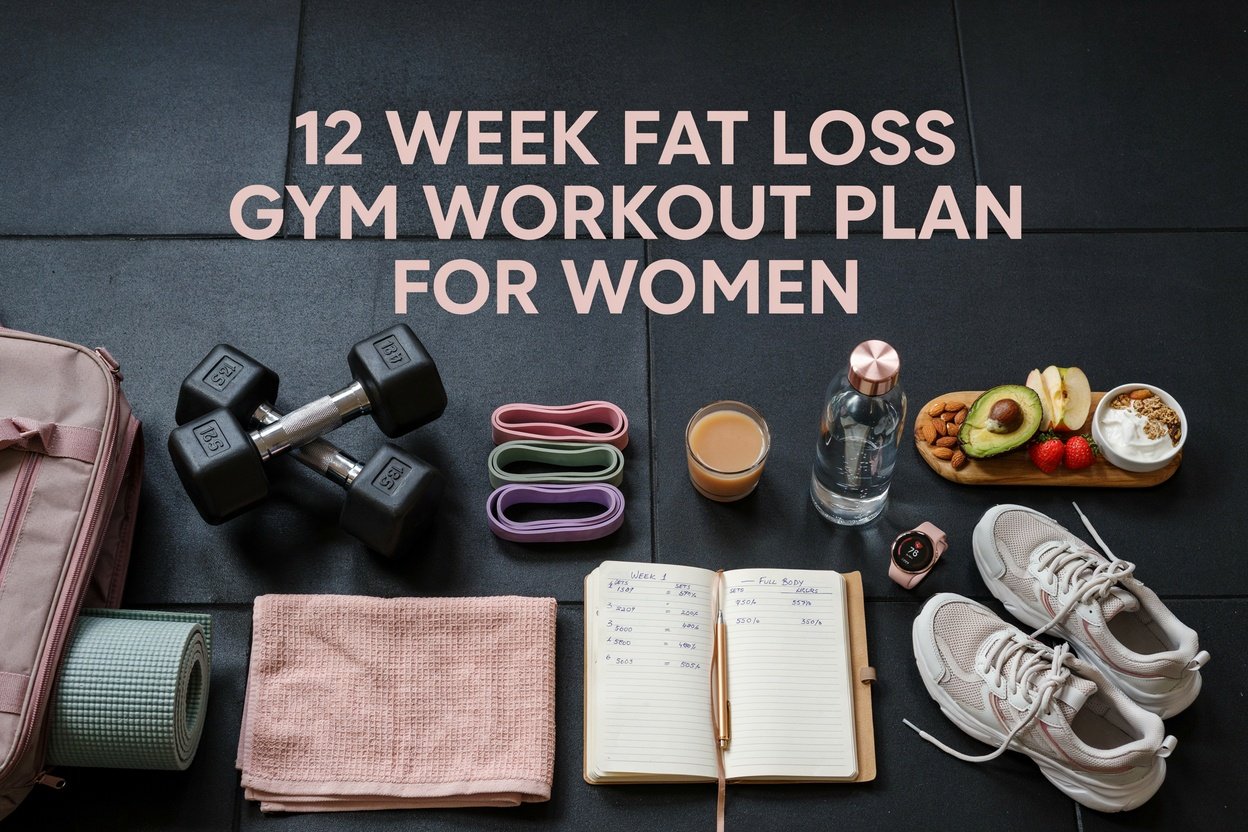
If you’ve ever walked into a gym with the goal of losing fat, you’ve probably felt overwhelmed within minutes. Rows of machines, endless workout advice online, and people telling you to either spend hours doing cardio or lift as heavy as possible can make it hard to know where to start.
I’ve been there too.
One week I’d convince myself I needed to run for an hour every day. The next week I’d follow a random workout I found online that left me sore for days but didn’t seem to move me any closer to my goals. The biggest mistake I made was thinking fat loss came from doing more rather than following a structured plan consistently.
That’s exactly why I put together this 12-week workout program.
Instead of jumping between random exercises every week, this program gradually increases your strength, confidence, and fitness level while helping you burn calories efficiently.
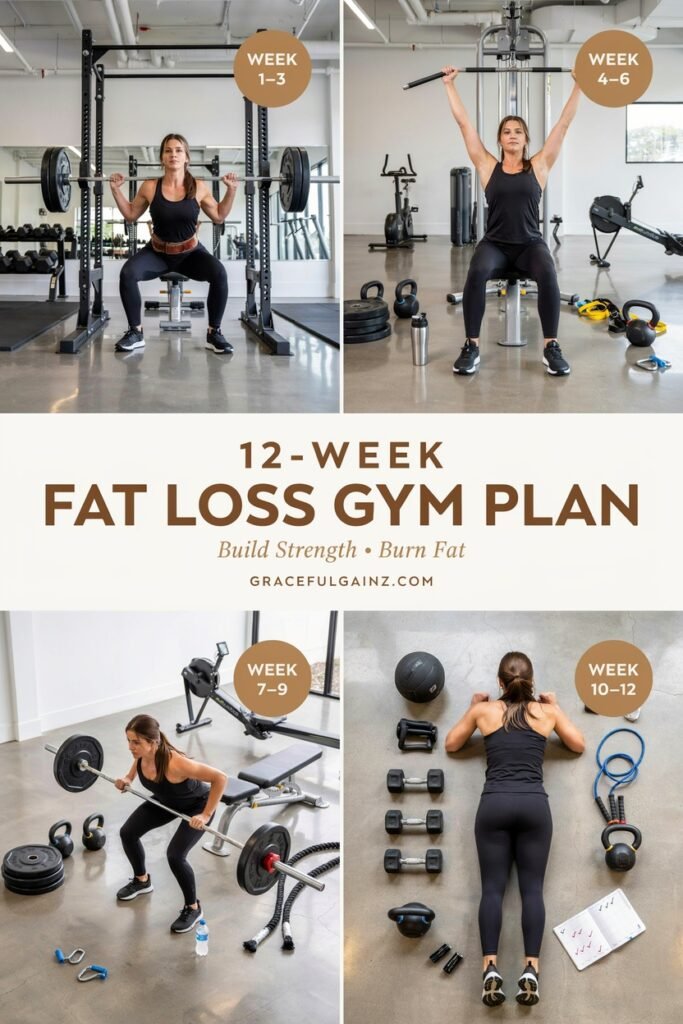
Whether you’re completely new to the gym or returning after a long break, every phase builds on the previous one so you never feel completely lost.
The goal isn’t to become exhausted after every workout.
The goal is to become stronger every single week.
By the end of these 12 weeks you’ll feel more confident using gym equipment, lift heavier than you thought possible, improve your endurance, and build lean muscle that helps support long-term fat loss.
Why This 12-Week Program Works
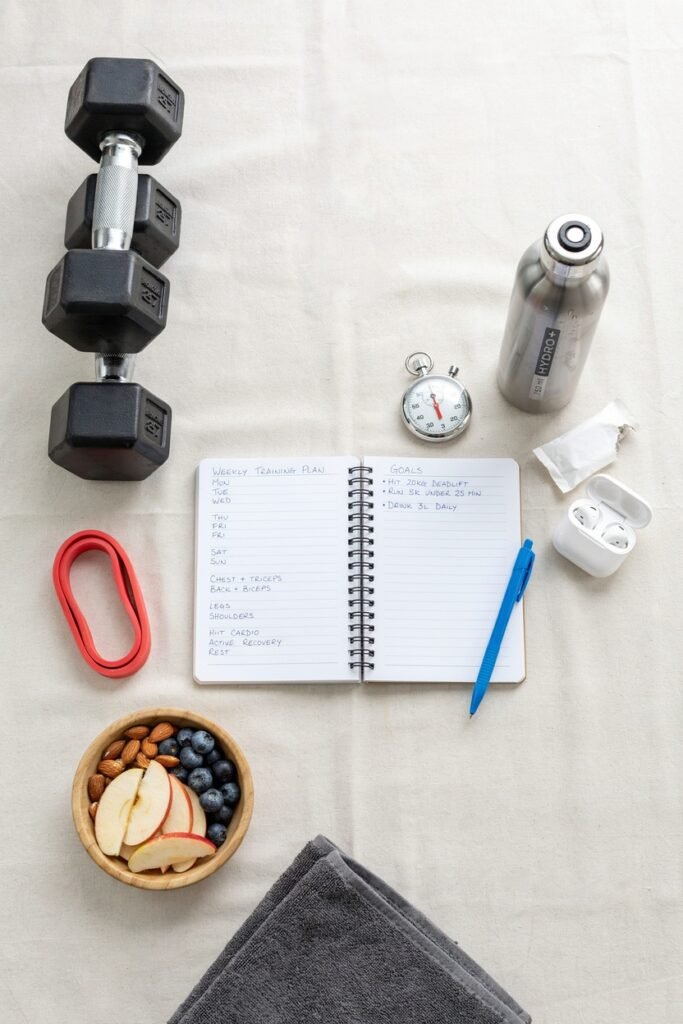
Unlike many fat loss programs that rely almost entirely on endless cardio, this workout plan focuses on resistance training first.
Building muscle doesn’t just help you look more toned. Muscle also increases the amount of energy your body uses throughout the day, meaning you continue burning calories long after your workout has finished.
This program also uses progressive overload, one of the most effective training principles available.
Instead of performing the exact same workout every week, you’ll gradually increase the challenge by adding weight, improving technique, or performing extra repetitions. Those small improvements add up over twelve weeks and produce far better results than constantly switching exercises.
Another reason this program works is because it’s realistic.
Most women have jobs, families, school, or other commitments. Spending two hours in the gym every day simply isn’t practical. These workouts typically take between 45 and 60 minutes, making them much easier to stick with long term.
What Makes This Program Different
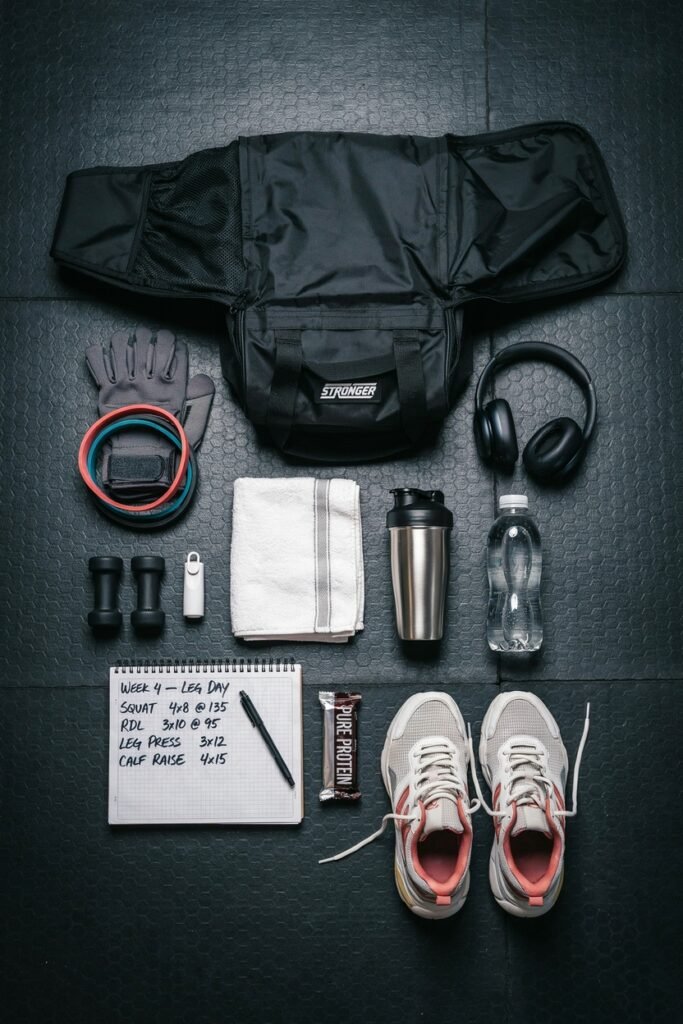
One of the biggest problems with many workout plans is that they’re written for advanced lifters while claiming to be “beginner friendly.”
This program genuinely starts at the beginning.
During the first four weeks you’ll learn proper movement patterns before worrying about lifting heavy. Once your confidence improves, the workouts become progressively more challenging without feeling overwhelming.
Each phase has a specific purpose:
Weeks 1–4: Build consistency, learn proper form, and improve overall fitness.
Weeks 5–8: Increase strength while introducing higher training intensity.
Weeks 9–12: Maximize calorie burn, improve muscle definition, and increase overall conditioning.
Because each stage prepares you for the next, you’ll spend less time feeling confused and more time seeing measurable progress.
Before You Start
Before beginning this program, spend a few minutes setting yourself up for success.
Take progress photos from the front, side, and back under similar lighting. The scale doesn’t always tell the full story, especially when you’re building muscle while losing body fat.
It’s also helpful to record a few starting measurements, including:
- Waist
- Hips
- Bust
- Thighs
- Upper arms
- Body weight
These numbers often change even when your weight doesn’t.
Finally, choose a notebook or workout app where you’ll record your exercises, weights, and repetitions each week. Tracking your progress makes it much easier to stay motivated and ensures you’re challenging yourself appropriately.
Equipment You’ll Need
This program is designed around a standard commercial gym, although many exercises can be adapted for a home gym.
You’ll use equipment such as:
- Dumbbells
- Adjustable bench
- Barbell
- Squat rack
- Cable machine
- Leg press
- Lat pulldown machine
- Seated row machine
- Leg curl machine
- Leg extension machine
- Treadmill
- Elliptical or stationary bike
- Resistance bands
- Exercise mat
Don’t worry if your gym has slightly different machines. Most exercises have simple alternatives that target the same muscle groups.
Phase One: Weeks 1-4 (Build Your Foundation)
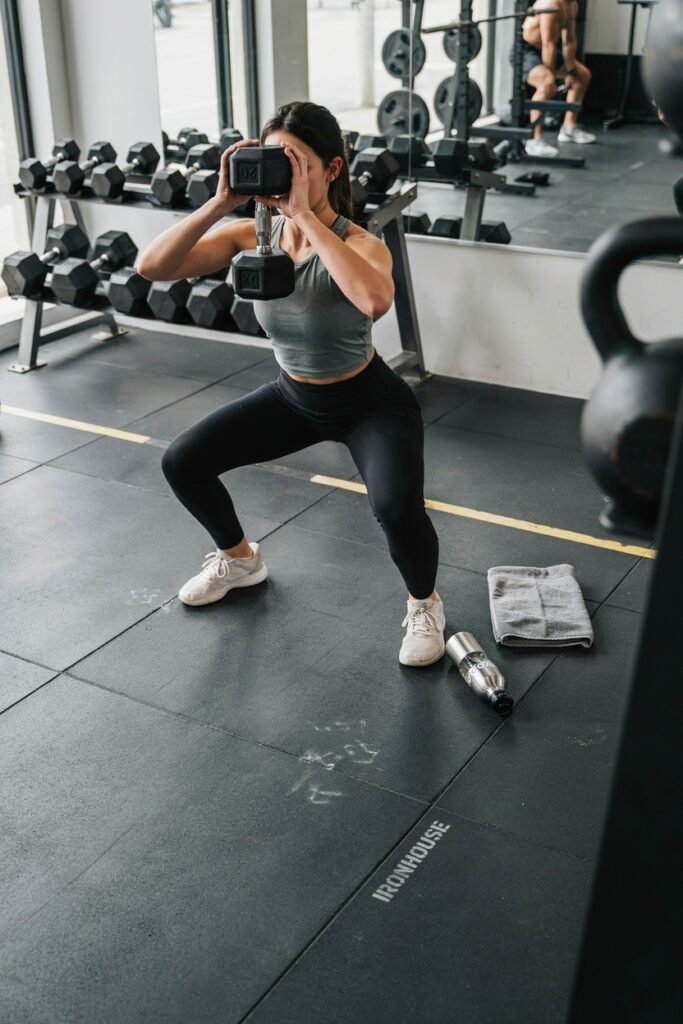
The first month is all about creating good habits.
Rather than trying to destroy yourself every workout, your goal is to learn proper technique while gradually improving your fitness.
Train 4 days per week, leaving at least one rest day between your lower-body workouts whenever possible.
Weekly Schedule
Monday: Lower Body A
Tuesday: Upper Body A
Wednesday: Active recovery or walking
Thursday: Lower Body B
Friday: Upper Body B
Saturday: Optional cardio or mobility
Sunday: Rest
Workout A: Lower Body
Start every workout with five to ten minutes of light cardio followed by dynamic stretches.
Complete all exercises before moving to your cooldown.
| Exercise | Sets | Reps |
|---|---|---|
| Goblet Squat | 3 | 10–12 |
| Romanian Dumbbell Deadlift | 3 | 10 |
| Leg Press | 3 | 12 |
| Walking Lunges | 2 | 12 each leg |
| Glute Bridge | 3 | 15 |
| Standing Calf Raises | 3 | 15 |
| Plank | 3 | 30 seconds |
Focus on controlled movement instead of heavy weights.
During these first four weeks you should finish each set feeling like you could perform one or two more repetitions with good form.
Continue in the next section with Upper Body A, Lower Body B, Upper Body B, cardio recommendations, progression for Weeks 1–4, and the complete Weeks 5–8 program.
Workout B: Upper Body
Your upper-body workouts are designed to strengthen your back, shoulders, chest, and arms while improving posture and building lean muscle. Don’t worry about lifting heavy during the first month. Focus on moving through a full range of motion and controlling every repetition.
| Exercise | Sets | Reps |
|---|---|---|
| Lat Pulldown | 3 | 10–12 |
| Seated Chest Press | 3 | 10–12 |
| Seated Cable Row | 3 | 10 |
| Dumbbell Shoulder Press | 3 | 10 |
| Dumbbell Bicep Curl | 2 | 12 |
| Rope Tricep Pushdown | 2 | 12 |
| Dead Bug | 3 | 10 each side |
Keep your shoulders down and back during pulling exercises instead of shrugging them toward your ears. If you can’t complete all the reps with good form, reduce the weight.
Workout C: Lower Body
This second lower-body session targets your glutes, hamstrings, and quads from different angles while continuing to build strength.
| Exercise | Sets | Reps |
|---|---|---|
| Leg Press | 3 | 12 |
| Dumbbell Step-Ups | 3 | 10 each leg |
| Hip Thrust | 3 | 12 |
| Seated Leg Curl | 3 | 12 |
| Leg Extension | 3 | 12 |
| Standing Calf Raise | 3 | 15 |
| Bicycle Crunch | 3 | 20 |
Move slowly through each repetition, especially during hip thrusts. Pause for one second at the top and squeeze your glutes before lowering the weight.
Workout D: Upper Body
The second upper-body workout focuses on improving overall balance by strengthening muscles that support everyday movements while adding extra work for the shoulders and arms.
| Exercise | Sets | Reps |
|---|---|---|
| Assisted Pull-Up or Lat Pulldown | 3 | 10 |
| Incline Dumbbell Press | 3 | 10 |
| Single-Arm Dumbbell Row | 3 | 10 each side |
| Dumbbell Lateral Raise | 3 | 12 |
| Hammer Curl | 2 | 12 |
| Overhead Tricep Extension | 2 | 12 |
| Side Plank | 3 | 30 seconds each side |
If you’re new to lateral raises, use lighter dumbbells than you think you need. Good technique is much more important than lifting heavier weights.
Cardio Recommendations for Weeks 1–4
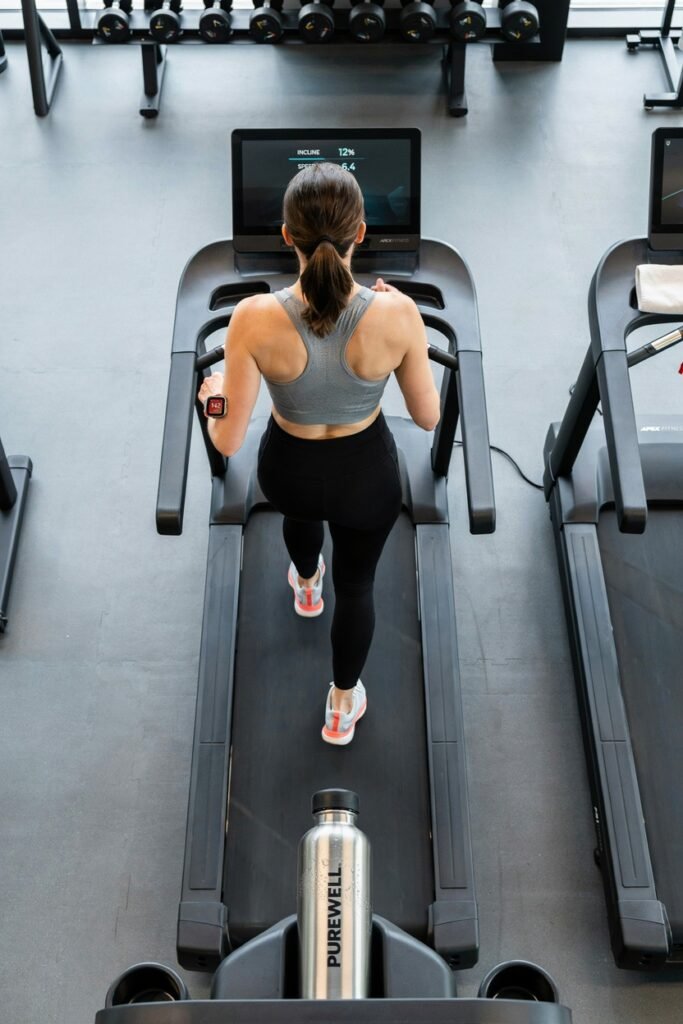
Cardio should support your strength training, not replace it.
Aim for 2 to 3 cardio sessions each week, keeping most of them at a comfortable pace where you can still hold a conversation.
Good beginner options include:
- Walking on an incline treadmill for 20 to 30 minutes
- Stationary cycling
- Elliptical trainer
- Swimming
- Outdoor brisk walking
On your strength-training days, you can add 10 to 15 minutes of light cardio after lifting if you have extra time and energy.
How to Progress During Weeks 1–4
Your goal during the first month isn’t to lift as heavy as possible.
Instead, aim to improve a little every week.
That might mean:
- Adding 5 pounds to an exercise once it starts feeling easy.
- Completing one or two extra repetitions with the same weight.
- Improving your squat depth or exercise technique.
- Taking slightly shorter rest periods while maintaining good form.
Small improvements every week lead to impressive results over twelve weeks.
Remember that consistency always beats perfection. Missing one workout isn’t a failure. Simply pick up where you left off and keep moving forward.
By the end of Week 4, you should notice that exercises feel more natural, your confidence around gym equipment has improved, and you’re ready to increase the intensity during the next phase.
Phase Two: Weeks 5–8 (Build Strength and Burn More Fat)
Now that you’ve established a solid foundation, it’s time to challenge your muscles a little more.
During this phase, you’ll gradually increase the weights you use while slightly reducing the repetition range on your main compound exercises. This encourages strength gains while continuing to support fat loss.
You’ll continue training 4 days per week, but you’ll begin pushing yourself a little harder on your first few exercises each workout.
The goal isn’t to leave the gym exhausted.
The goal is to leave knowing you were stronger than you were last week.
Phase Two: Weeks 5–8 (Build Strength and Increase Intensity)
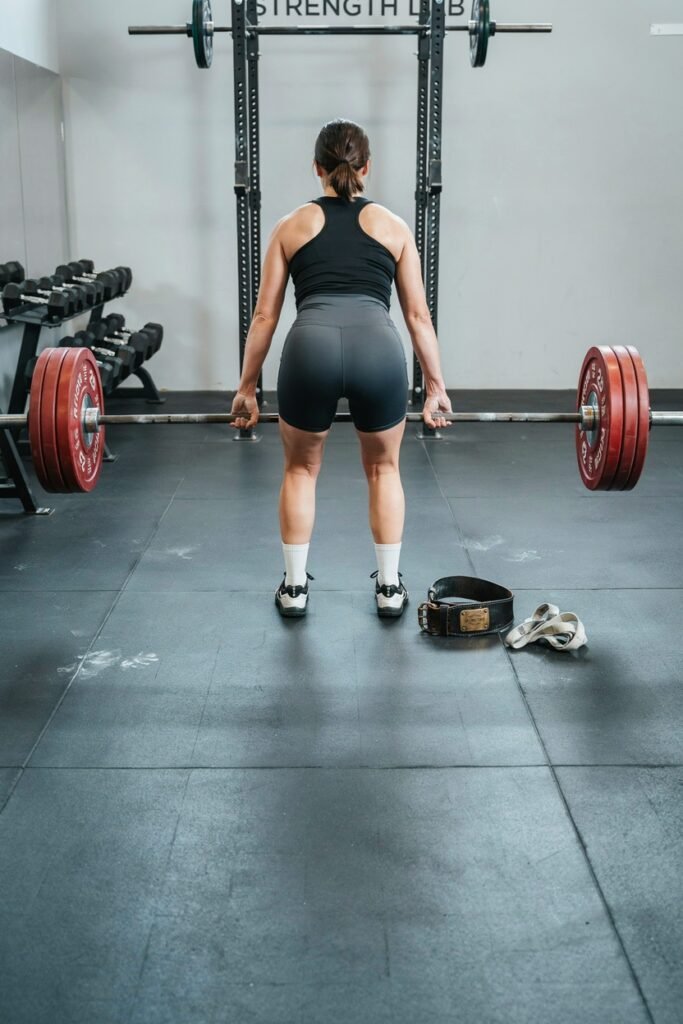
By now you’ve built a solid foundation and should feel much more confident using gym equipment. During the next four weeks you’ll gradually lift heavier weights while keeping your technique consistent.
You’ll still train four days each week, but your main compound exercises will use slightly lower repetitions so you can focus on building strength.
Weekly Schedule
Monday: Lower Body Strength
Tuesday: Upper Body Strength
Wednesday: Active Recovery
Thursday: Lower Body Hypertrophy
Friday: Upper Body Hypertrophy
Saturday: Optional Cardio + Core
Sunday: Rest
Workout A: Lower Body Strength
Warm up with 5 to 10 minutes of walking or cycling, followed by dynamic stretches and a few light warm-up sets before your first exercise.
| Exercise | Sets | Reps |
|---|---|---|
| Barbell Squat | 4 | 8 |
| Romanian Deadlift | 4 | 8 |
| Leg Press | 3 | 10 |
| Bulgarian Split Squat | 3 | 10 each leg |
| Hip Thrust | 3 | 10 |
| Standing Calf Raise | 3 | 15 |
| Hanging Knee Raises | 3 | 12 |
Increase the weight only if you can complete every repetition with good form. Your final two reps should feel challenging without sacrificing technique.
Workout B: Upper Body Strength
This workout focuses on the biggest upper-body movements to help you build lean muscle while improving overall strength.
| Exercise | Sets | Reps |
|---|---|---|
| Lat Pulldown | 4 | 8 |
| Dumbbell Bench Press | 4 | 8 |
| Seated Cable Row | 3 | 10 |
| Dumbbell Shoulder Press | 3 | 10 |
| Face Pulls | 3 | 12 |
| Dumbbell Hammer Curl | 3 | 10 |
| Rope Tricep Pushdown | 3 | 10 |
Take 60 to 90 seconds of rest between sets of compound exercises and around 45 to 60 seconds between isolation exercises.
Workout C: Lower Body Hypertrophy
This session increases your training volume to build lean muscle while keeping your heart rate elevated.
| Exercise | Sets | Reps |
|---|---|---|
| Goblet Squat | 3 | 12 |
| Walking Lunges | 3 | 12 each leg |
| Hip Thrust | 4 | 12 |
| Seated Leg Curl | 3 | 12 |
| Leg Extension | 3 | 15 |
| Cable Kickbacks | 3 | 15 each leg |
| Plank | 3 | 45 seconds |
Focus on slow, controlled movements instead of rushing through the exercises.
Workout D: Upper Body Hypertrophy
The final workout of the week adds extra volume for your shoulders, back, and arms while continuing to strengthen your core.
| Exercise | Sets | Reps |
|---|---|---|
| Assisted Pull-Up or Lat Pulldown | 3 | 10 |
| Incline Dumbbell Press | 3 | 10 |
| Single-Arm Dumbbell Row | 3 | 10 each arm |
| Dumbbell Lateral Raise | 3 | 15 |
| Rear Delt Fly | 3 | 15 |
| EZ Bar Curl | 3 | 12 |
| Overhead Rope Tricep Extension | 3 | 12 |
| Russian Twists | 3 | 20 |
As the weights get heavier, resist the temptation to swing or use momentum. Slow, controlled repetitions will produce much better results.
Cardio During Weeks 5–8
Continue doing cardio two to three times each week.
You can now introduce one interval session if you’d like to improve your fitness while burning additional calories.
For example:
- 5-minute warm-up walk
- 30 seconds fast pace
- 90 seconds easy pace
- Repeat 8 to 10 times
- 5-minute cool-down
On your other cardio days, stick with steady-state activities such as incline treadmill walking, cycling, rowing, or using the elliptical for 25 to 35 minutes.
How to Progress During Weeks 5–8
During this phase, challenge yourself a little more each week.
Aim to improve by:
- Increasing your weights by 5 to 10 pounds on lower-body exercises when possible.
- Increasing upper-body weights by 2.5 to 5 pounds once you can complete every rep comfortably.
- Improving exercise technique and range of motion.
- Reducing rest times slightly while maintaining good form.
Don’t compare yourself to anyone else in the gym.
The only goal is to become stronger than you were the previous week.
By the end of Week 8, you’ll likely notice improved muscle definition, increased strength, better stamina, and much greater confidence using both free weights and machines.
The final phase builds on all of this by increasing intensity to maximize fat loss while preserving lean muscle.
Phase Three: Weeks 9–12 (Maximize Fat Loss and Build Lean Muscle)
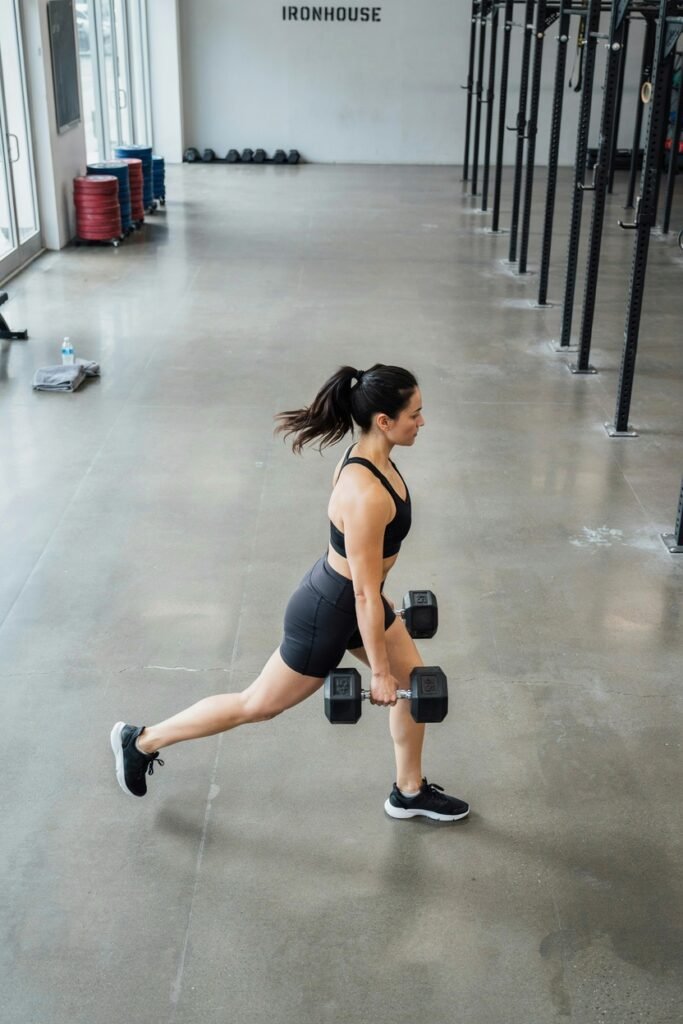
You’ve made it to the final phase.
By now you should feel comfortable using gym equipment, lifting heavier weights, and completing your workouts with confidence. The final four weeks are designed to maximize calorie burn while continuing to build strength and preserve lean muscle.
Instead of adding endless cardio, this phase increases workout intensity through supersets, slightly shorter rest periods, and heavier compound lifts.
Continue training 4 days per week.
Weekly Schedule
Monday: Lower Body Power
Tuesday: Upper Body Power
Wednesday: Active Recovery
Thursday: Lower Body Conditioning
Friday: Upper Body Conditioning
Saturday: Optional Cardio
Sunday: Rest
Workout A: Lower Body Power
| Exercise | Sets | Reps |
|---|---|---|
| Barbell Squat | 4 | 6–8 |
| Romanian Deadlift | 4 | 8 |
| Hip Thrust | 4 | 10 |
| Leg Press | 3 | 10 |
| Walking Lunges | 3 | 12 each leg |
| Standing Calf Raise | 3 | 15 |
| Plank | 3 | 60 seconds |
These heavier lifts should feel challenging but never unsafe. Stop every set with one good repetition left in the tank.
Workout B: Upper Body Power
| Exercise | Sets | Reps |
|---|---|---|
| Lat Pulldown or Assisted Pull-Up | 4 | 8 |
| Dumbbell Bench Press | 4 | 8 |
| Seated Cable Row | 3 | 10 |
| Dumbbell Shoulder Press | 3 | 10 |
| Face Pull | 3 | 15 |
| Hammer Curl | 3 | 12 |
| Rope Tricep Pushdown | 3 | 12 |
Focus on controlling the lowering portion of every repetition rather than simply lifting the weight.
Workout C: Lower Body Conditioning
During this workout you’ll perform several supersets. Complete the first exercise before immediately moving to the second, then rest for 60 seconds before repeating.
Superset 1
- Goblet Squat – 3 sets x 15 reps
- Dumbbell Step-Ups – 3 sets x 12 reps each leg
Superset 2
- Hip Thrust – 3 sets x 15 reps
- Leg Curl – 3 sets x 12 reps
Superset 3
- Leg Extension – 3 sets x 15 reps
- Cable Glute Kickback – 3 sets x 15 reps each leg
Finish with:
- Mountain Climbers – 3 rounds x 30 seconds
- Bicycle Crunches – 3 sets x 20
This workout keeps your heart rate elevated while continuing to strengthen your lower body.
Workout D: Upper Body Conditioning
Superset 1
- Incline Dumbbell Press – 3 sets x 12
- Seated Cable Row – 3 sets x 12
Superset 2
- Dumbbell Shoulder Press – 3 sets x 12
- Dumbbell Lateral Raise – 3 sets x 15
Superset 3
- EZ Bar Curl – 3 sets x 12
- Overhead Rope Tricep Extension – 3 sets x 12
Finish with:
- Russian Twists – 3 sets x 20
- Side Plank – 3 x 45 seconds each side
Keep moving with purpose while maintaining proper form throughout every exercise.
Cardio During Weeks 9–12
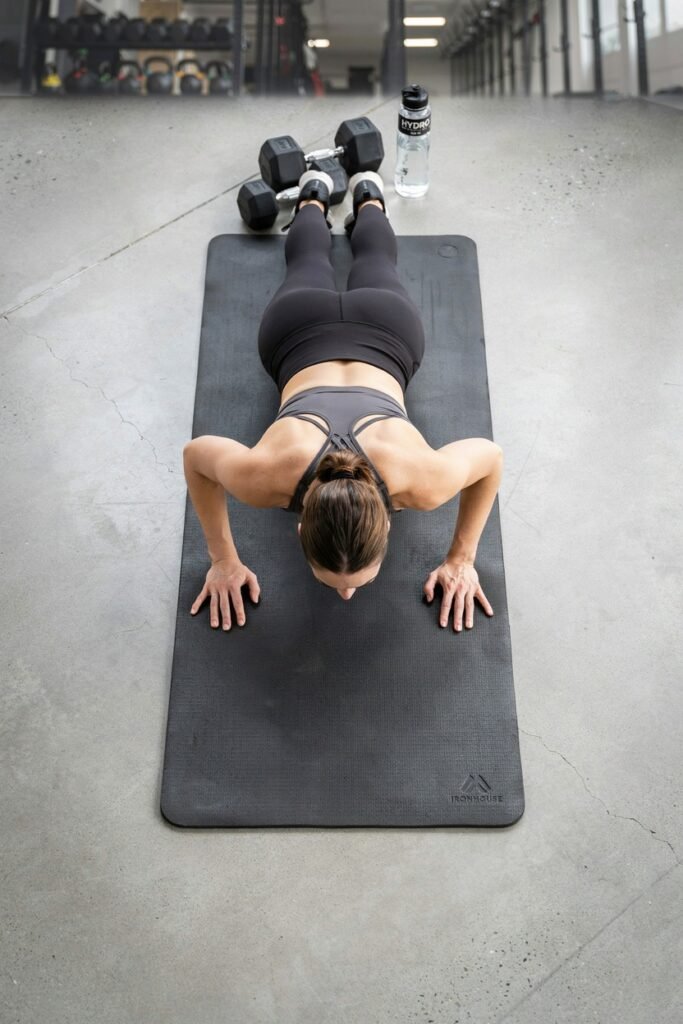
At this stage your fitness should have improved significantly.
Aim for 3 cardio sessions each week.
A balanced weekly schedule could look like this:
- One 20-minute interval workout
- Two 30 to 40-minute incline walks
- One optional weekend hike, bike ride, swimming session, or long outdoor walk
Remember, cardio supports fat loss, but your nutrition and resistance training will have the biggest impact on your results.
Recovery Matters More Than Ever
As your workouts become more challenging, your recovery becomes just as important.
Aim for:
- 7 to 9 hours of sleep every night.
- At least one complete rest day each week.
- Plenty of water throughout the day.
- Stretching after each workout.
- Walking on rest days to reduce soreness.
Your muscles grow while recovering, not while you’re exercising.
Nutrition Tips for Fat Loss

Even the best workout program won’t outperform poor eating habits.
Focus on building balanced meals that include:
- Lean protein such as chicken, turkey, fish, eggs, Greek yogurt, tofu, or beans.
- Plenty of vegetables.
- Whole-grain carbohydrates like oats, rice, potatoes, or quinoa.
- Healthy fats from avocado, olive oil, nuts, and seeds.
Try to include protein at every meal to help preserve muscle while losing body fat.
Drink plenty of water and avoid relying on sugary drinks for hydration.
Common Mistakes That Slow Fat Loss
Doing Too Much Cardio
Hours on the treadmill aren’t necessary. Prioritize strength training first and use cardio to complement your workouts.
Using Weights That Are Too Light
If you could easily perform another ten repetitions, it’s probably time to increase the weight.
Skipping Rest Days
Recovery allows your muscles to repair and grow stronger. Overtraining usually slows progress rather than speeding it up.
Constantly Changing Your Routine
One of the biggest reasons this program works is consistency. Stick with the exercises long enough to improve instead of trying a completely different workout every week.
Ignoring Nutrition
Exercise is only one part of successful fat loss. A nutritious diet will make your workouts much more effective.
Frequently Asked Questions
Can beginners follow this program?
Yes. The first four weeks were specifically designed to help beginners learn proper form while building confidence in the gym.
How much weight should I use?
Choose a weight that makes the final two repetitions challenging while still allowing you to maintain perfect technique.
Will lifting weights make me bulky?
No. Building significant muscle takes years of dedicated training and nutrition. Strength training helps women develop a lean, toned appearance while supporting fat loss.
Can I swap exercises if my gym doesn’t have certain machines?
Absolutely. Choose another exercise that trains the same muscle group. Consistency matters far more than using one exact machine.
How long should each workout take?
Most sessions take between 45 and 60 minutes, including your warm-up and cool-down.
Should I do cardio before or after lifting?
If your primary goal is fat loss while building muscle, complete your strength workout first and perform cardio afterward if you’re doing both in the same session.
Final Thoughts
One of the biggest lessons I’ve learned is that successful fat loss isn’t about finding the perfect workout. It’s about following a good workout plan consistently enough to let it work.
There will be weeks when the scale barely moves. There will be workouts where you don’t feel your strongest. That’s completely normal.
Instead of chasing perfection, focus on becoming just a little stronger each week. Add one more rep, increase the weight slightly, improve your technique, or simply show up when you don’t feel like it.
After twelve weeks, those small improvements become incredible progress.
Trust the process, stay consistent, and remember that building a healthier, stronger body is a marathon—not a sprint. Your future self will thank you for starting today.