I’ll be honest with you.
When I first tried Pilates, I thought it would be easy.
Slow movements, light exercises… it didn’t look that hard.
But after my first session, I realized something quickly.
It’s not about how fast you move.
It’s about how controlled your body is.
And that completely changed how I approached workouts.
If you’re a beginner and you’re looking for something that helps you:
- Tone your body
- Improve flexibility
- Build strength without intense workouts
then Pilates is a great place to start.
In this post, I’m going to walk you through a simple 1-week Pilates workout plan that you can actually stick to.
No experience needed.
Why I Chose Pilates as a Beginner
Before Pilates, I tried different workouts.
Some were too intense. Some were too confusing.
And most of them felt hard to stay consistent with.
Pilates felt different.
It was:
- Low impact
- Beginner-friendly
- Easy to do at home
- Focused on control, not speed
And most importantly…
I didn’t feel exhausted after every session.
I felt stronger.
What to Expect in Your First Week
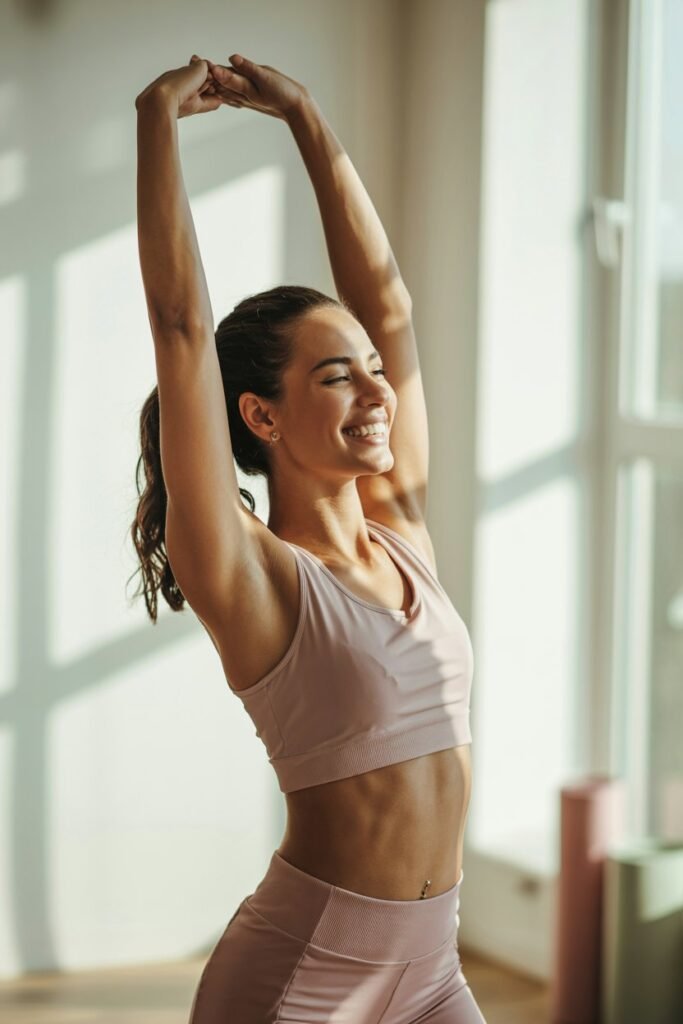
Let’s set realistic expectations.
You might not see dramatic physical changes in just one week.
But you will notice:
- Better posture
- Stronger core
- Improved flexibility
- More body awareness
And honestly, that’s the foundation you need.
What You’ll Need to Get Started
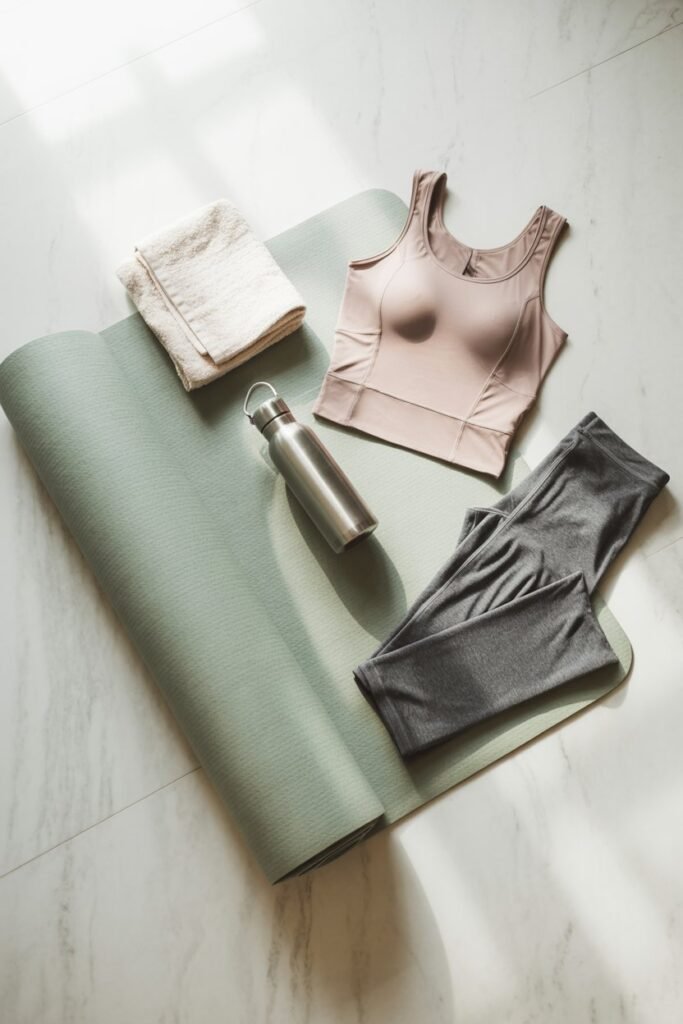
One of the things I love about Pilates is how simple it is.
You don’t need a lot.
Just:
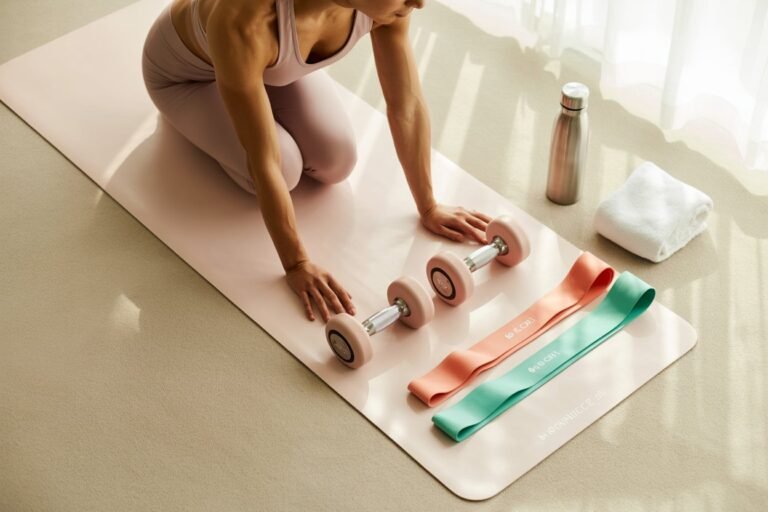
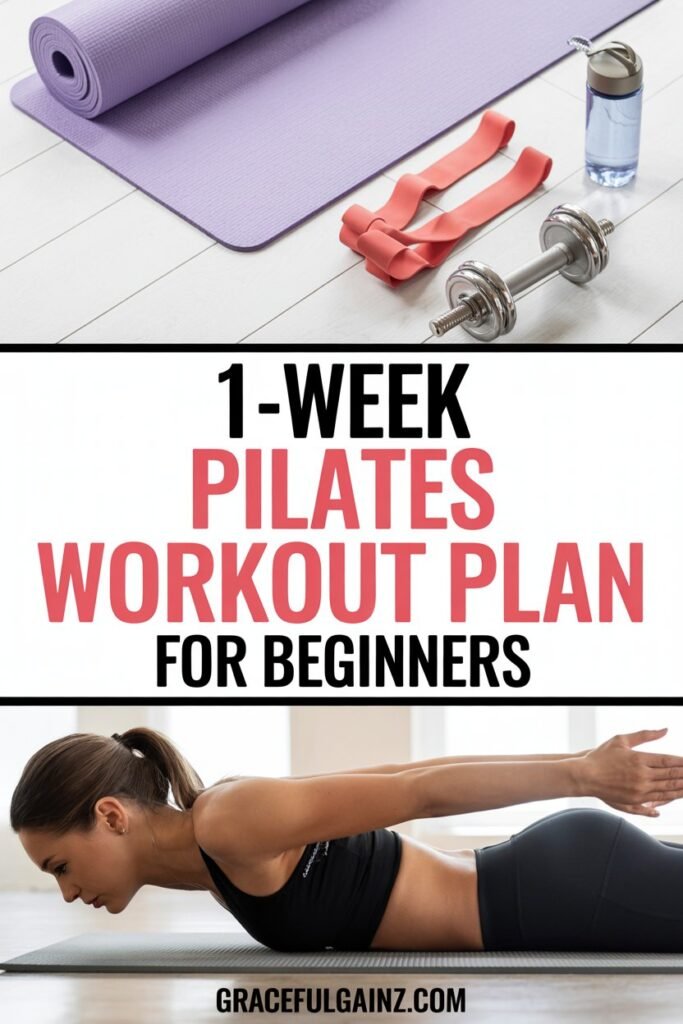
- A yoga mat (or soft surface)
- Comfortable clothes
- A small space at home
That’s it.
No gym required.
How This 1-Week Plan Works
This plan is designed to:
- Start easy
- Build gradually
- Help you stay consistent
Each workout takes about 10–20 minutes.
And you’ll focus on:
- Core strength
- Flexibility
- Controlled movements
Day 1: Full Body Introduction
Focus: Getting comfortable with basic movements
Exercises:
- Pelvic tilts (10 reps)
- Glute bridges (10 reps)
- Arm raises (10 reps)
- Modified plank (15 seconds)
When I did this for the first time, it felt simple… but I could already feel my muscles working.
Day 2: Core Activation
Focus: Engaging your core properly
Exercises:
- Toe taps (10 reps each side)
- Dead bug (10 reps)
- Bicycle legs (10 reps each side)
- Plank (20 seconds)
This is where I started understanding how important core control really is.
Day 3: Stretch + Light Strength
Focus: Flexibility and gentle movement
Exercises:
- Cat-cow stretch (10 reps)
- Spine stretch forward (10 reps)
- Leg circles (10 reps each side)
- Side leg lifts (10 reps each side)
This day feels lighter, but it helps your body recover while still moving.
Day 4: Core + Stability
Focus: Balance and control
Exercises:
- Bird dog (10 reps each side)
- Shoulder bridge hold (20 seconds)
- Leg raises (10 reps)
- Plank (25 seconds)
At this point, you’ll start feeling stronger and more stable.
Day 5: Lower Body + Core
Focus: Strengthening your lower body while engaging your core
Exercises:
- Glute bridges (15 reps)
- Side-lying leg lifts (12 reps each side)
- Clamshells (12 reps each side)
- Plank (30 seconds)
This day helped me feel the connection between my core and lower body more clearly.
Day 6: Full Body Flow
Focus: Putting movements together smoothly
Exercises:
- Roll-ups (8–10 reps)
- Leg stretches (10 reps)
- Arm and leg extensions (10 reps)
- Plank (30–35 seconds)
This felt more like a flow rather than separate exercises.
And honestly, this is where Pilates started to feel really enjoyable for me.
Day 7: Active Recovery + Stretch
Focus: Rest while still moving your body
Exercises:
- Gentle stretching (5–10 minutes)
- Cat-cow stretch (10 reps)
- Child’s pose (hold 30 seconds)
- Light walking
This day is important.
Your body needs time to recover and reset.
Mistakes to Avoid as a Beginner
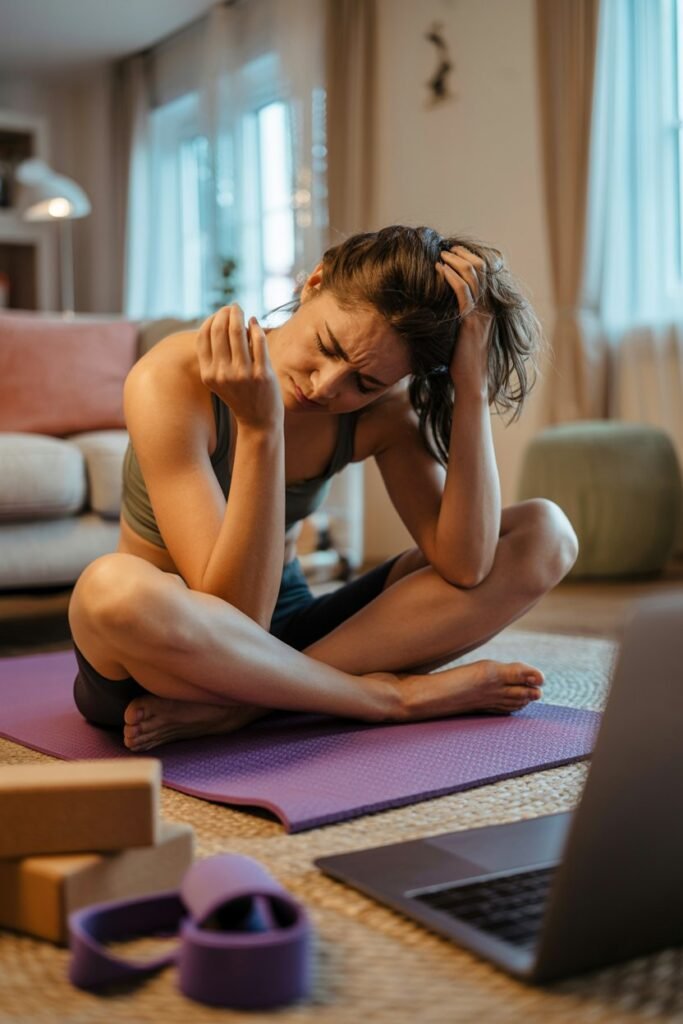
I made a few mistakes when I started, and fixing them made a big difference.
1. Rushing through movements
Pilates is not about speed.
If you move too fast, you lose the benefit.
Slow, controlled movement is what makes it effective.
2. Ignoring your breathing
This was something I didn’t pay attention to at first.
But breathing properly helps:
- Engage your core
- Improve control
- Make exercises easier
Try to stay aware of your breath as you move.
3. Doing too much too soon
It’s tempting to add more exercises or go longer.
But starting simple helps you stay consistent.
Build up gradually.
4. Skipping rest days
Even though Pilates is low impact, your body still needs recovery.
That’s why Day 7 is important.
Tips to Get Better Results Faster
If you want to make the most out of this plan, here’s what helped me:
1. Stay consistent
Doing 10–15 minutes daily is more effective than doing one long workout once a week.
2. Focus on form
Quality matters more than quantity.
Proper form helps you:
- Target the right muscles
- Avoid injury
- See better results
3. Add light movement
You don’t need intense cardio.
But simple things like:
- Walking
- Stretching
- Staying active
can support your progress.
4. Be patient with your body
Results don’t happen overnight.
But if you stay consistent, you will notice changes.
What Results Can You Expect After One Week?
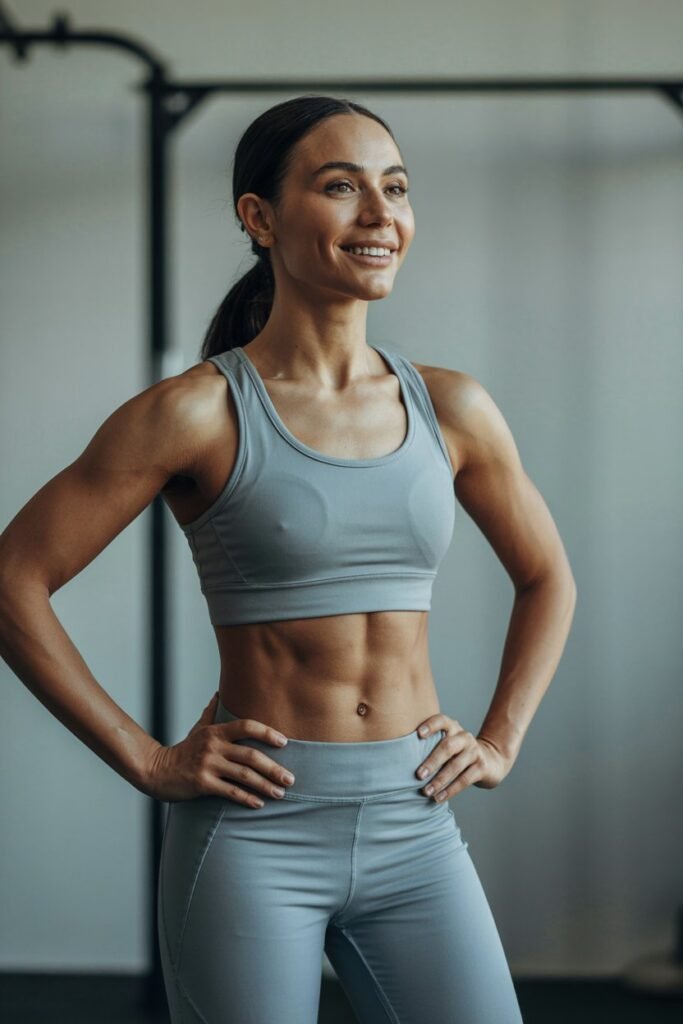
Let’s keep expectations realistic.
After one week, you might notice:
- A stronger core
- Better posture
- Improved flexibility
- More control in your movements
You may not see big visual changes yet.
But you will feel the difference.
And that’s where progress starts.
How to Continue After This 1-Week Plan
Once you finish this week, don’t stop.
You can:
- Repeat the plan
- Increase reps gradually
- Add slightly longer sessions
The goal is to keep building on what you’ve started.
How Long Should Each Pilates Workout Be?
When I first started, I kept wondering if I was doing “enough.”
The truth is, you don’t need long workouts to see results.
For this plan:
- 10–20 minutes is enough
- Focus on quality, not duration
- Consistency matters more than time
Some days I only did 10 minutes.
But because I showed up daily, it still worked.
When Is the Best Time to Do Pilates?
You can do Pilates anytime.
But what helped me stay consistent was picking a specific time.
For example:
- Morning: helped me feel energized
- Evening: helped me relax and unwind
The best time is simply:
The time you can stick to consistently.
Can You Do This Pilates Plan Every Day?
Yes — and that’s the beauty of it.
Pilates is low impact, so it’s gentle on your body.
But here’s what I recommend:
- Follow the 7-day plan as written
- Keep Day 7 light (active recovery)
- Listen to your body
If you feel too sore, it’s okay to slow down.
Do You Need Equipment for Pilates?
You might think you need special tools.
You don’t.
I started with:
- Just a mat
- Comfortable clothes
- A small space
Later, you can add:
- Resistance bands
- Pilates rings
But they’re not necessary to begin.
How Pilates Helps You Tone Your Body
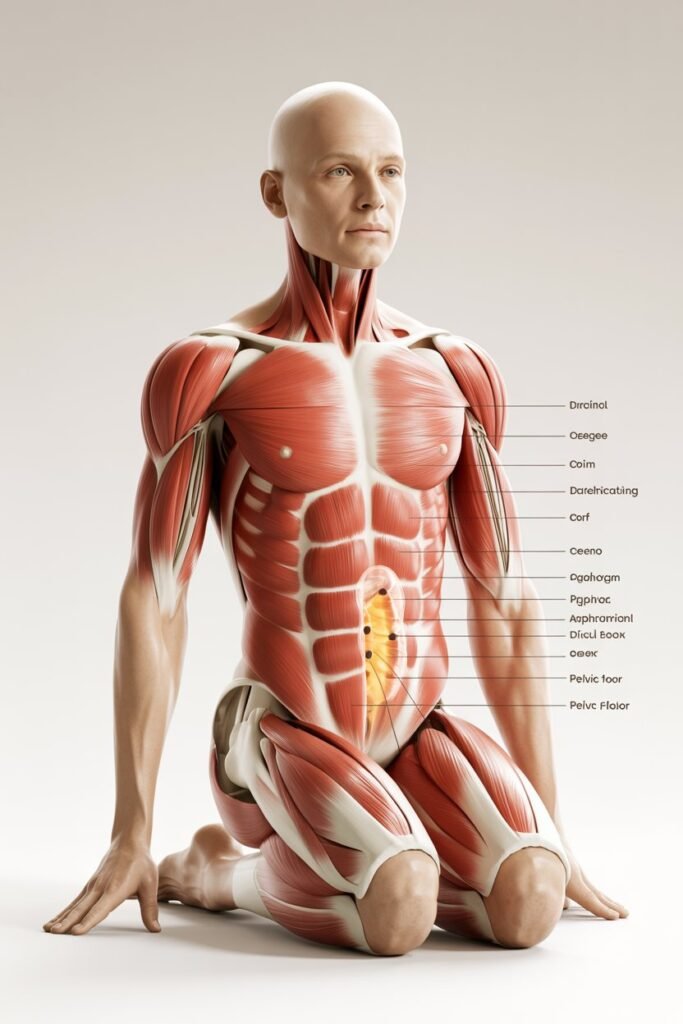
Pilates doesn’t just “burn calories.”
It works differently.
It helps by:
- Strengthening your core
- Improving muscle control
- Creating a more toned appearance
That’s why results might feel subtle at first…
But over time, they become noticeable.
What I Wish I Knew Before Starting Pilates
If I could go back, I would tell myself this:
- You don’t need to be flexible to start
- You don’t need to be “fit” first
- You don’t need to do everything perfectly
I spent too much time overthinking.
Once I started simple, everything got easier.
Signs Your Pilates Routine Is Working
Sometimes progress isn’t obvious in the mirror.
But here’s what I noticed first:
- Exercises feel easier
- My balance improved
- My core felt stronger
- My posture got better
These small wins matter.
They mean your body is changing.
Beginner-Friendly Tips to Stay Consistent
If you’re like me, consistency is the hardest part.
Here’s what helped:
- Keep workouts short
- Don’t aim for perfection
- Follow a simple plan (like this one)
- Remind yourself why you started
Some days won’t be perfect.
That’s okay.
Just don’t stop completely.
Optional: Combine Pilates With Other Workouts
If you want faster results, you can combine Pilates with:
- Walking
- Light cardio
- Stretching routines
You don’t need intense workouts.
Just staying active alongside Pilates makes a difference.
Quick Weekly Checklist (Save This)
To make it even easier, you can include this:
- Day 1: Full Body
- Day 2: Core
- Day 3: Stretch
- Day 4: Stability
- Day 5: Lower Body
- Day 6: Flow
- Day 7: Recovery
Simple, clear, and easy to follow.
FAQ Section (SEO BOOST)
Is Pilates good for beginners?
Yes, Pilates is one of the best workouts for beginners because it’s low impact and easy to modify.
How quickly will I see results from Pilates?
You may feel stronger within a week, but visible results usually take a few weeks of consistency.
Can Pilates help flatten your stomach?
Pilates strengthens your core, which can help create a more toned and flatter appearance over time.
Is it okay to do Pilates every day?
Yes, as long as you include light days and listen to your body.
Do I need to be flexible to start Pilates?
No. Flexibility improves as you continue practicing.
Final Thoughts
If you’re new to Pilates, this is one of the easiest ways to start.
You don’t need:
- A gym
- Expensive equipment
- Long workouts
You just need consistency.
Start simple.
Move with control.
And give your body time to improve.
Because once you get into the rhythm, Pilates becomes something you actually enjoy… not something you force yourself to do.