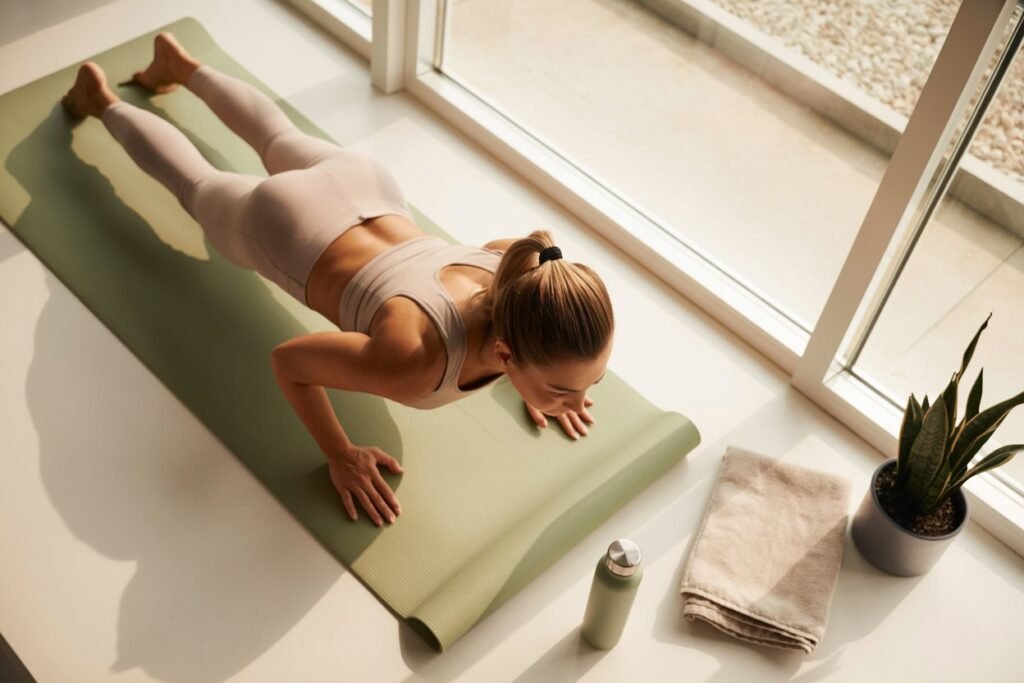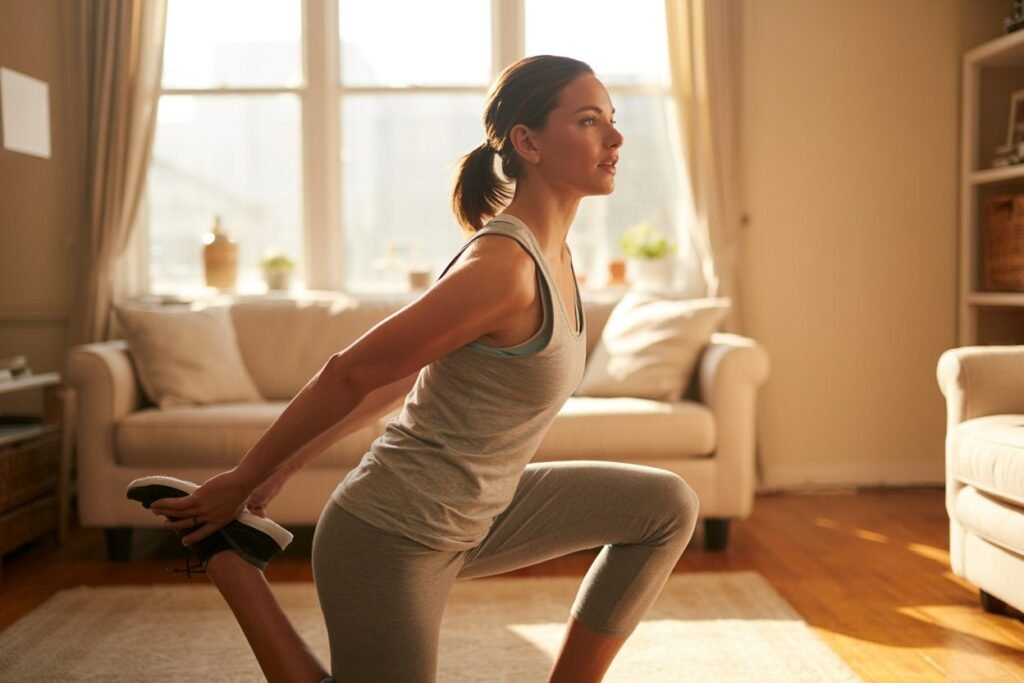
Strengthening your legs doesn’t need a gym membership, expensive equipment, or hours of training. Even just five focused minutes a day can help tone, strengthen, and energize your legs if you know exactly what to do and how to do it safely.
I remember the first time I tried a quick bodyweight leg workout. I was skeptical that just five minutes could make any difference. But after a few weeks of consistency, my legs felt stronger, more toned, and surprisingly energized. The best part? I didn’t need to leave my living room. That’s when I realized that short, targeted workouts are incredibly effective if done correctly.
In this post, I’ll walk you through a beginner-friendly, detailed 5-minute leg workout you can do at home. I’ll break down each exercise, explain how to maintain proper form, share modifications if needed, and give tips to maximize results so you don’t waste a single minute.
Before You Begin
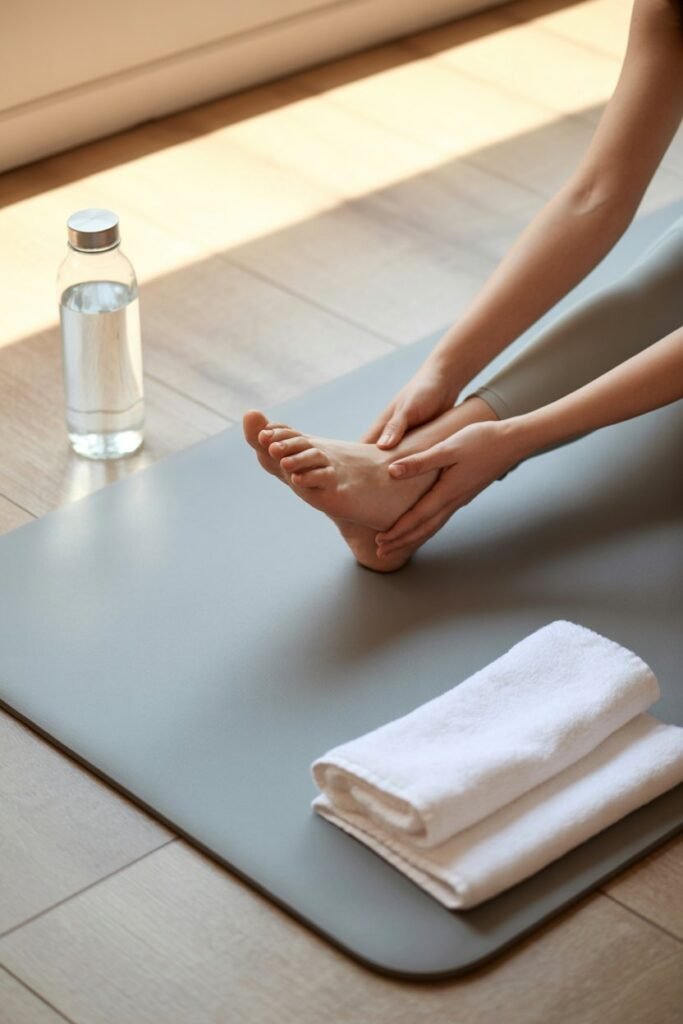
Even a short 5-minute workout can cause strain or injury if you jump in without preparation. Taking one or two minutes to warm up properly ensures that your joints are loose, your muscles are ready, and your body is primed for safe, effective movement.
Start with simple movements like marching in place, gentle leg swings, or mini squats. Focus on loosening your hips, knees, and ankles because these joints take the brunt of leg exercises. You can also gently rotate your ankles or do hip circles to wake up smaller stabilizing muscles.
Make sure you have a safe, clear space. Remove obstacles and use a mat or soft surface if possible to protect your knees. Remember, even a short workout can be risky if your space is cramped or slippery.
Lastly, set an intention. Five minutes may seem short, but if you focus and move deliberately, this workout can be surprisingly effective. Quality beats quantity every time.
The 5-Minute Bodyweight Leg Workout
This routine targets quads, hamstrings, glutes, hips, and calves using only your bodyweight. Each exercise lasts 45 seconds, followed by 15 seconds of rest, giving you enough recovery to maintain proper form.
Focus on slow, controlled movements, engaging your core, and breathing consistently.
Squats
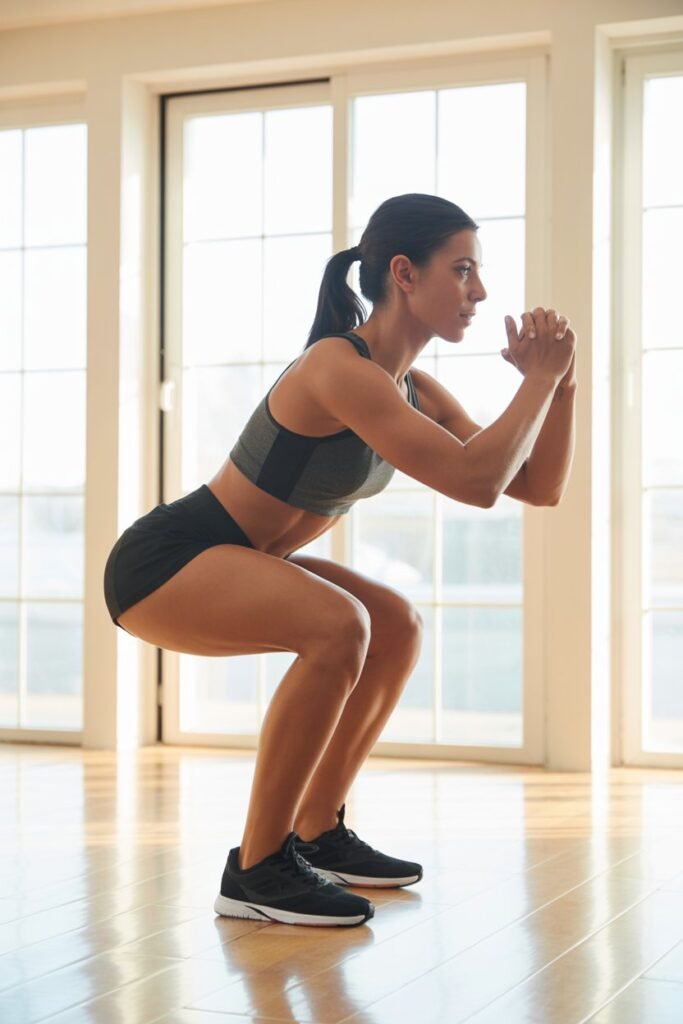
Squats are a foundational leg exercise that strengthens the quads, hamstrings, glutes, and core.
- Stand with your feet shoulder-width apart and toes pointing slightly outward.
- Keep your chest lifted and core engaged throughout the movement.
- Slowly push your hips back as if you’re sitting in a chair, lowering your thighs toward parallel to the floor.
- Keep your weight on your heels, knees aligned with your toes.
- Press through your heels to return to standing, squeezing your glutes at the top.
Tips for beginners:
- Only lower as far as comfortable; your thighs don’t need to be perfectly parallel at first.
- Avoid letting your knees collapse inward—imagine pressing them slightly outward.
- Move slowly and focus on form; speed comes later.
Why it works: Proper squats engage your glutes and hamstrings, not just your quads, giving a full leg workout in one movement.
Lunges
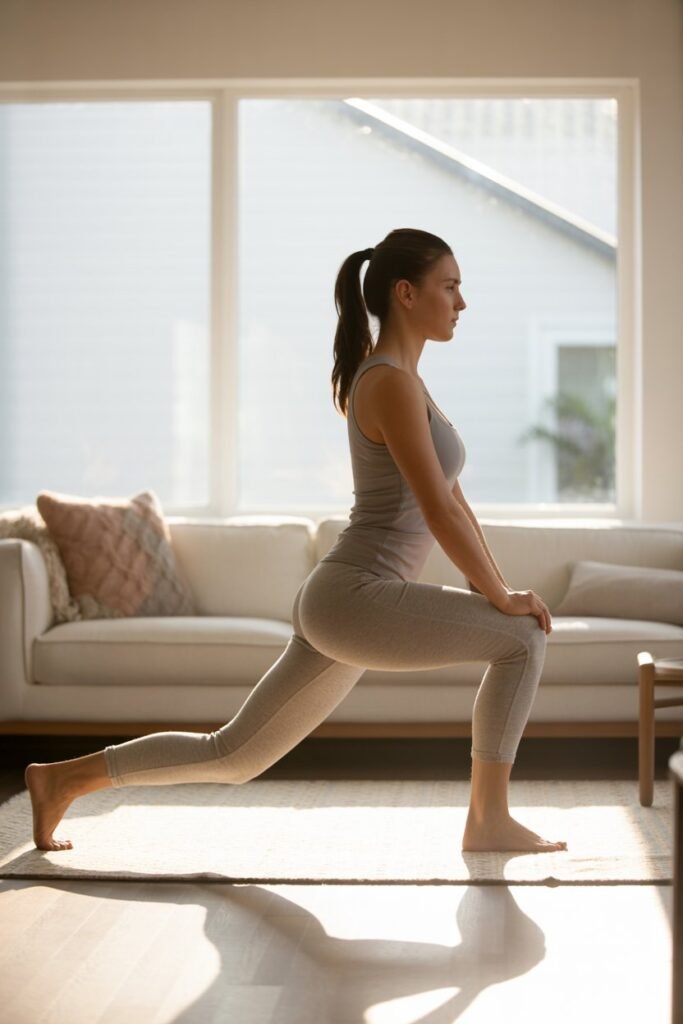
Lunges are excellent for strength, balance, and unilateral leg development, meaning they work each leg independently for better symmetry.
- Stand tall with feet together.
- Step forward with your right leg, lowering your back knee toward the floor. Keep your front knee above your ankle.
- Push through the front heel to return to standing.
- Alternate legs each rep.
Tips for beginners:
- Keep your torso upright; avoid leaning forward.
- Shorten your step if your knee feels strained.
- Engage your core to stabilize your balance.
Pro tip: Lunges also improve coordination and can help correct muscle imbalances between your left and right legs.
Glute Bridges
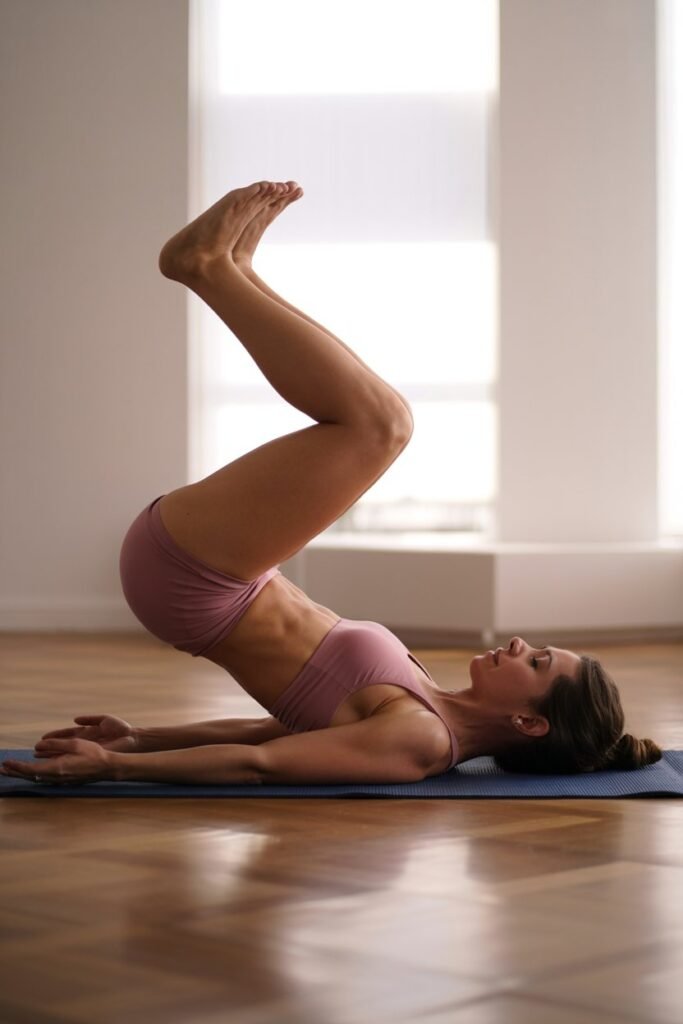
Glute bridges focus on the glutes, hamstrings, and lower back, strengthening your posterior chain which is often neglected.
- Lie on your back with knees bent, feet flat on the floor, hip-width apart.
- Press through your heels to lift your hips toward the ceiling.
- At the top, squeeze your glutes and hold for 1–2 seconds, then slowly lower back down.
Tips for beginners:
- Keep your core engaged; don’t arch your lower back.
- Press evenly through both feet to prevent uneven muscle activation.
- For extra challenge, lift one leg at a time while keeping hips level.
Why it works: Glute bridges strengthen your hips and hamstrings while improving stability in your lower back, which is essential for proper leg function.
Side Leg Raises
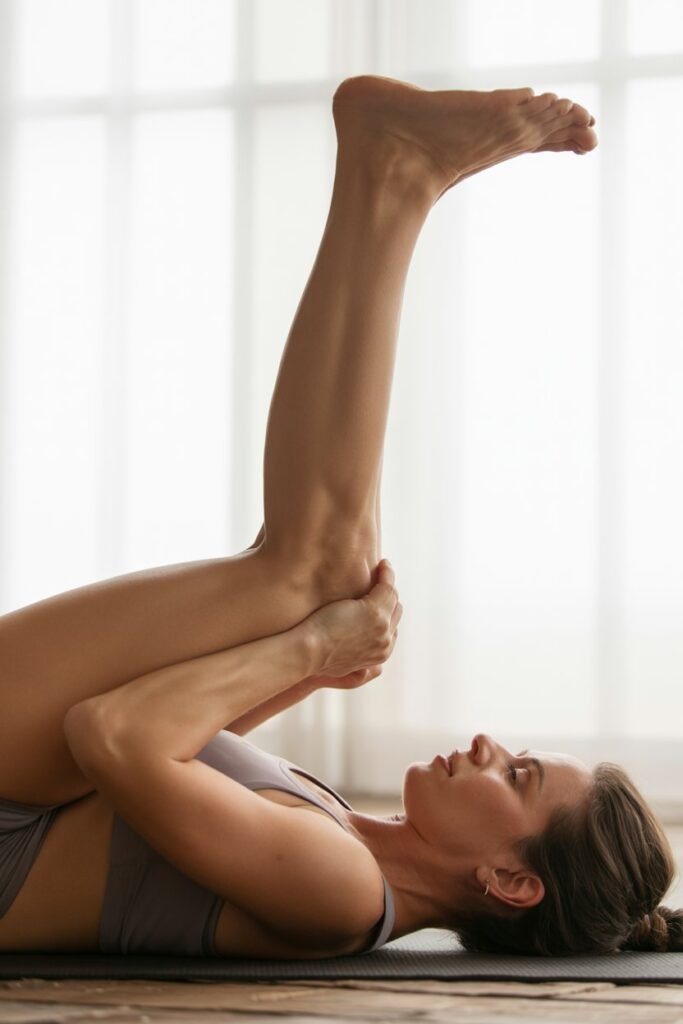
Side leg raises target your outer thighs and hip stabilizers, helping sculpt and tone hard-to-reach muscles.
- Lie on one side with legs stacked and body straight.
- Lift your top leg slowly as high as comfortable, keeping it straight.
- Lower it slowly without letting it touch the bottom leg.
- Switch sides halfway through.
Tips for beginners:
- Move slowly to feel the muscles engage.
- Don’t let your hips roll backward; keep them stacked.
- Control the descent; avoid letting your leg drop quickly.
Pro tip: Side leg raises improve hip stability, which helps with balance and prevents knee injuries during other exercises like squats and lunges.
Calf Raises
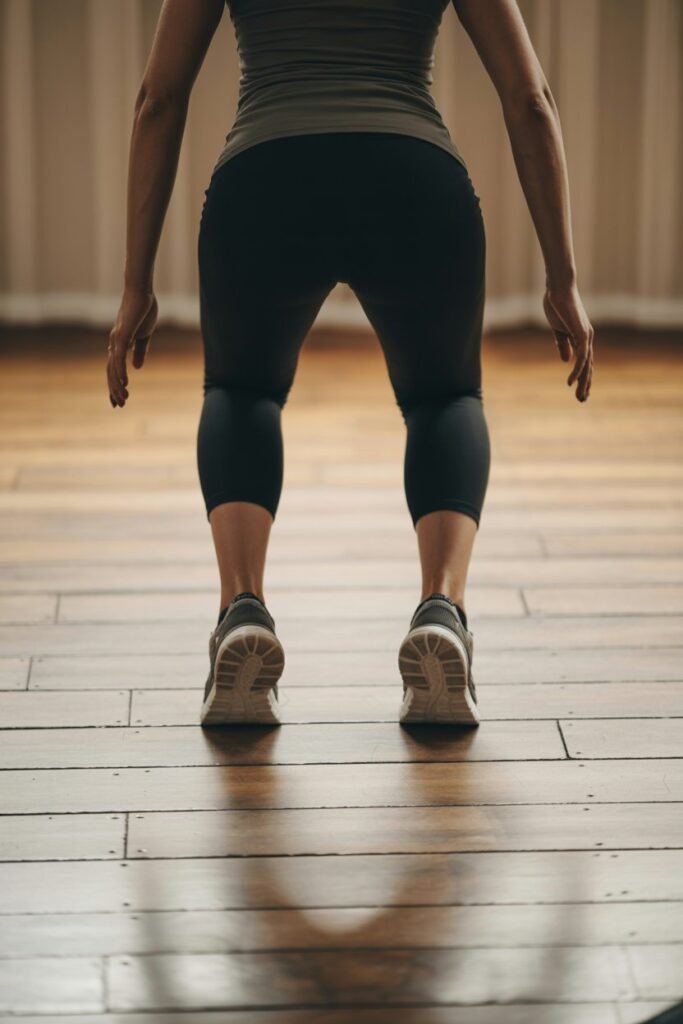
Calf raises strengthen your lower legs and improve ankle stability. Strong calves make other leg movements more effective.
- Stand with feet hip-width apart, rising onto your toes.
- Pause and squeeze your calves at the top, then slowly lower back down.
- For support, lightly hold a wall or chair.
Tips for beginners:
- Focus on slow, controlled lifts rather than speed.
- Keep knees straight but not locked.
- Perform double leg raises first; progress to single-leg for added challenge.
Why it works: Strong calves not only look toned but also support your overall leg strength and prevent lower-leg fatigue during other workouts.
Cool Down
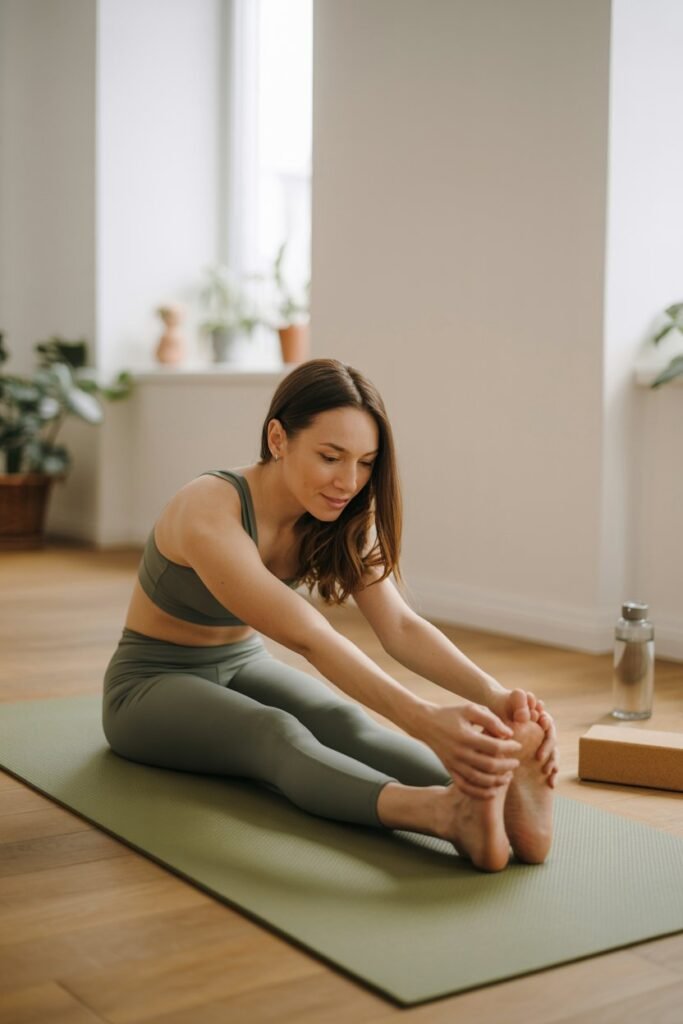
Even a short workout benefits from a proper cool down. Stretching helps prevent soreness, improves flexibility, and aids recovery.
- Hamstrings: Sit and reach for your toes, keeping your legs straight.
- Quadriceps: Stand and pull one ankle toward your glutes, keeping knees aligned.
- Calves: Press heel into the floor while leaning slightly forward against a wall.
- Hold each stretch for 20–30 seconds.
Pro tip: Focus on deep breathing during stretches to help your muscles relax and reduce tension.
Expert Tips for Your 5-Minute Leg Workout
Even in just five minutes, a few simple adjustments make your workout more effective.
Focus on Form
Controlled movements matter more than speed. Proper form engages the right muscles and prevents injury.
Engage Your Core
Keep your abs slightly contracted during squats, lunges, and bridges to protect your lower back and improve balance.
Breathe Properly
Inhale as you lower, exhale as you push up. Coordinated breathing boosts muscle performance and endurance.
Modify as Needed
Start with smaller ranges of motion or slower reps if you’re a beginner. Gradually increase intensity as you get stronger.
Squeeze the Muscles
Focus on the glutes and quads during each movement. Feeling the muscle work improves results.
Consistency Over Intensity
Daily five-minute sessions are more effective long-term than sporadic long workouts.
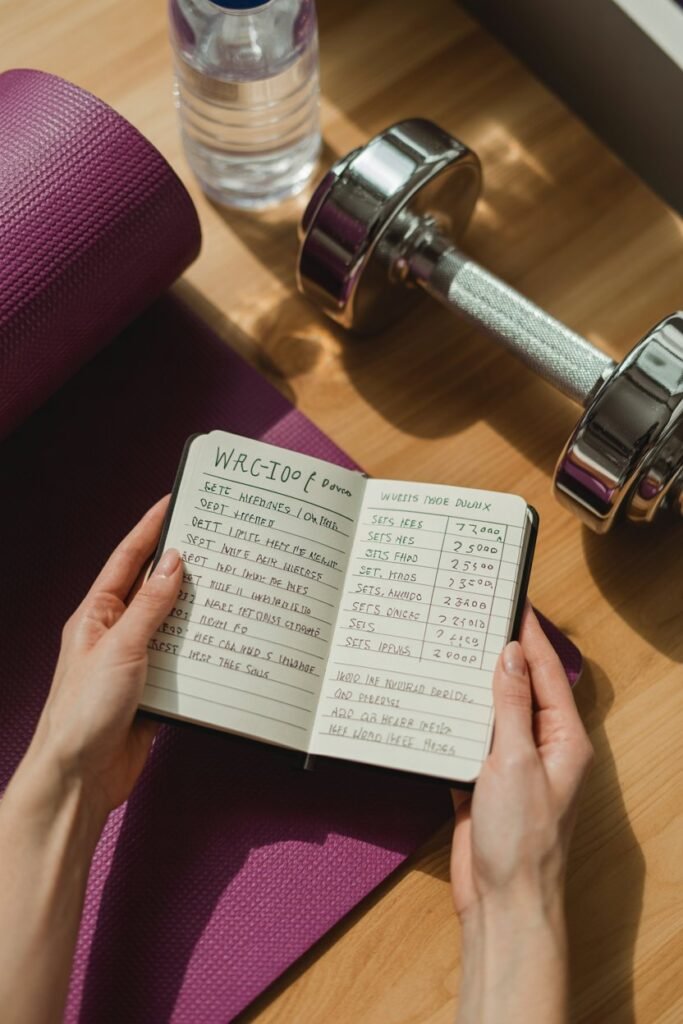
Track Progress
Note reps, feelings, or challenges. Tracking keeps you motivated and shows improvements over time.
Common Mistakes to Avoid
Even short workouts can be ineffective if common mistakes sneak in. Here’s what to watch for:
Rushing Through Reps
Speeding up reduces muscle engagement and increases injury risk. Take your time with each movement.
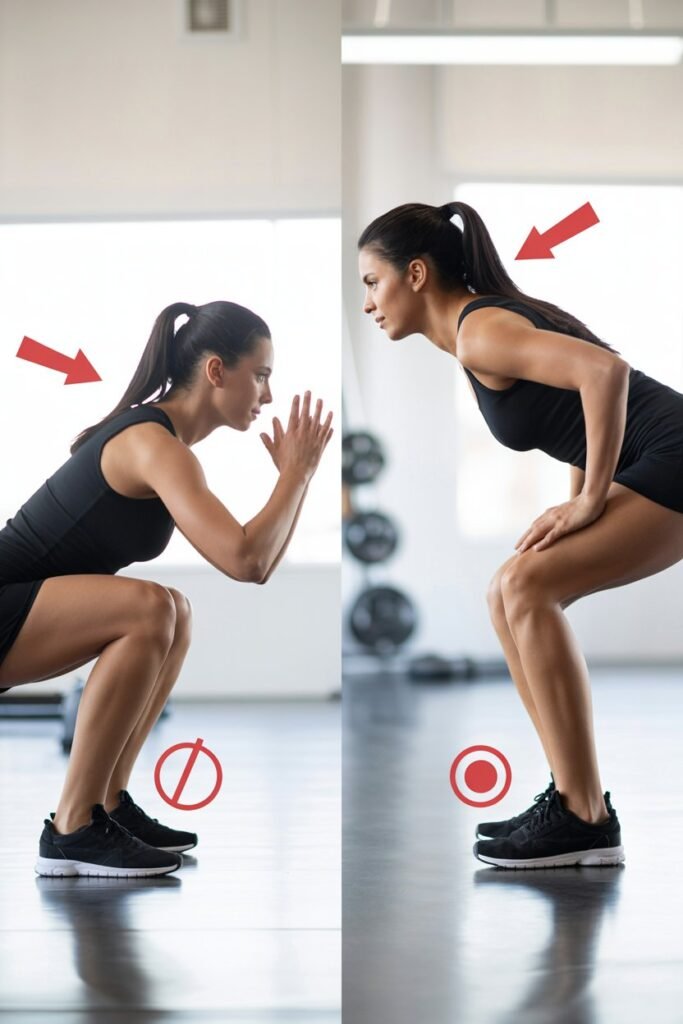
Shallow Squats or Lunges
Not going low enough limits results. Aim for full range of motion without compromising form.
Neglecting Warm-Up or Cool-Down
Even five minutes is intense. Loosen muscles before starting and stretch after to prevent soreness.
Holding Your Breath
Breathing is key. Holding your breath can cause tension and fatigue. Keep a steady rhythm.
Ignoring Muscle Engagement
Focus on feeling the quads, glutes, and hamstrings. Mind-muscle connection improves strength gains.
Skipping Daily Consistency
One quick workout won’t transform legs. Short, consistent sessions build strength and tone over time.
Final Thoughts
A 5-minute bodyweight leg workout may seem short, but when done correctly, it’s powerful.
You don’t need equipment, a gym, or hours of free time. With focus, proper form, and consistency, these simple exercises can strengthen, tone, and shape your legs.
Start small, stay consistent, and listen to your body. Over time, you’ll notice stronger, more defined legs—and a boost in confidence knowing you can get results from just five focused minutes a day.