
For a long time, I believed weight loss was simply about eating less and exercising more. If I stayed disciplined and tried hard enough, the results would follow. But despite my effort, the scale barely moved. Some weeks I felt motivated and hopeful, other weeks I felt stuck and frustrated, wondering what I was doing wrong.
What confused me most was that I thought I was making good choices. I skipped meals when life got busy, chose foods labeled healthy, and worked out whenever I could. Yet my progress was slow or completely stalled. It wasn’t until I looked closely at my daily habits that things finally started to click.
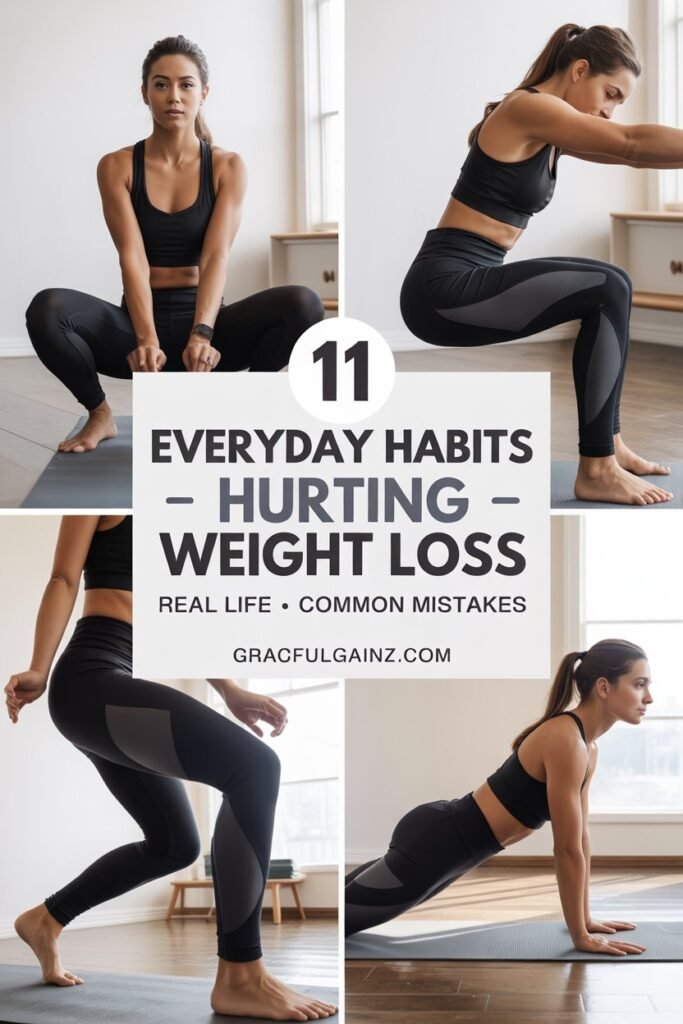
I realized weight loss is often sabotaged by small, everyday behaviors we repeat without noticing. Habits that seem harmless but quietly work against us. If you have ever felt like you are doing everything right but still not seeing results, you are not alone.
In this post, I am sharing 9 common habits that can sabotage weight loss and practical ways you can overcome them in a realistic and sustainable way.
Why These Habits Matter More Than You Think
Before we dive into the list, I want you to understand something important. Weight loss is rarely blocked by one major mistake. Most of the time, it is the small habits you repeat daily that make the biggest difference.
These habits often go unnoticed because they feel normal or even healthy on the surface. But over time, they can slow progress, increase cravings, and make weight loss feel far more difficult than it needs to be.
As you read through the habits below, I want you to approach them with honesty, not judgment. You do not need to fix everything at once. Simply becoming aware of what might be holding you back is already a powerful first step.
Now, let’s look at the most common habits that could be sabotaging your weight loss and how you can overcome them.
1. Skipping Meals, Especially Breakfast

Skipping meals might seem like a simple way to cut calories, but it often backfires in ways you don’t expect. When you skip a meal, your blood sugar drops, your energy levels crash, and your hunger hormones spike. This sets the stage for overeating later, usually with high-calorie, low-nutrient foods.
I remember when I tried skipping breakfast to save calories. By mid-morning, I was craving pastries and coffee, and by lunchtime, I would eat more than I normally would in one sitting. The result? My weight loss stalled, and I felt frustrated and deprived.
Pro tip: Instead of skipping, aim for balanced meals. For breakfast, try options like scrambled eggs with spinach, a slice of whole-grain toast, or Greek yogurt with berries. Eating consistently keeps your metabolism steady, reduces cravings, and helps you stay focused throughout the day.
2. Relying Too Much on “Healthy” Packaged Foods

Not all foods marketed as healthy are actually helping you lose weight. Many “low-fat,” “keto-friendly,” or “protein-packed” snacks are loaded with hidden sugars, refined carbs, and extra calories that add up without you realizing it.
I used to reach for protein bars, granola bars, or pre-packaged smoothies thinking they were safe choices. Weeks passed, and my progress barely moved. Only when I started checking labels did I realize how much sugar and unnecessary additives I was consuming.
Pro tip: Prioritize whole, unprocessed foods first. Vegetables, lean proteins, fruits, whole grains, and legumes should make up most of your meals. When you need packaged items, read the label carefully: if there’s a long list of ingredients or added sugars, put it back. Cooking simple meals at home is surprisingly easy and keeps calories and nutrients in check.
3. Drinking Your Calories Without Realizing It

Liquid calories are one of the sneakiest ways to derail weight loss because they don’t fill you up like solid food. Smoothies, fruit juices, flavored coffee drinks, and even some teas can easily add 200–400 calories per serving without satisfying your hunger.
I remember making fruit-heavy smoothies for breakfast, thinking I was doing something healthy. By the time lunch rolled around, I was still hungry and often ended up snacking on chips or sweets. Those extra calories quietly canceled out my efforts.
Pro tip: Stick to water, unsweetened tea, or black coffee most of the time. If you enjoy smoothies, make them filling and balanced by adding protein (like protein powder, Greek yogurt, or nut butter) and vegetables (spinach, zucchini, or kale). This combination keeps you full and stabilizes blood sugar.
4. Not Eating Enough Protein
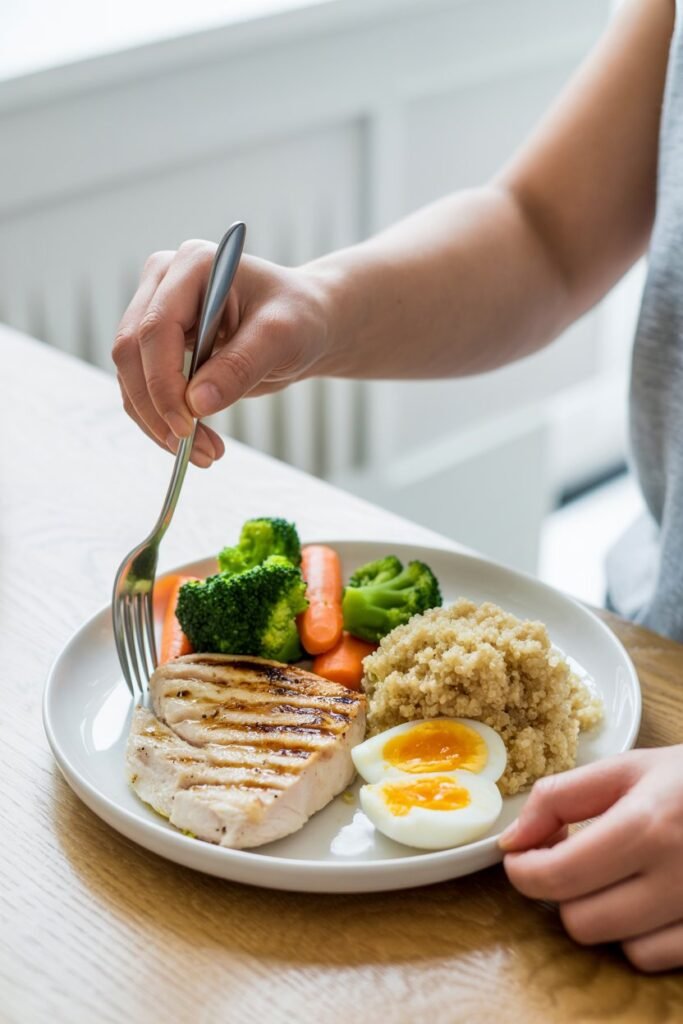
Protein is crucial for weight loss because it helps you feel full, protects muscle mass, and supports a healthy metabolism. Without enough protein, you might feel hungry all the time, experience energy crashes, or notice muscle loss even as the scale moves slowly.
I struggled with this for months, relying too heavily on carbs for meals. My snacks were mostly crackers or fruit, and I was constantly hungry between meals. Once I started intentionally including protein in every meal, I noticed a big difference in satiety. I stayed fuller longer, my cravings decreased, and my energy improved throughout the day.
Pro tip: Include a protein source at every meal. Think eggs, fish, chicken, tofu, beans, or Greek yogurt. Even small additions like a spoon of nut butter, a boiled egg, or a handful of nuts can help stabilize hunger and support weight loss. For snacks, pair protein with fiber to keep cravings in check, like apple slices with almond butter or cottage cheese with berries.
5. Overestimating Calories Burned From Exercise

Exercise is incredible for health, energy, and mood, but it’s not a free pass to eat whatever you want. Many of us overestimate the calories burned during workouts and unknowingly undo our efforts.
I remember when I started running regularly. I convinced myself that a 45-minute run meant I could have a pastry afterward. Weeks later, I realized my weight barely changed, and I felt frustrated. It hit me that exercise alone wasn’t enough. My body still needed the right fuel and balanced portions.
Pro tip: Think of exercise as supporting your health, not just a tool to burn calories. Track your workouts loosely, not obsessively, and pair them with mindful nutrition. Focus on consistency and sustainable movement rather than intensity alone. Even moderate, regular activity has a bigger long-term impact than sporadic intense workouts.
6. Underestimating Portion Sizes
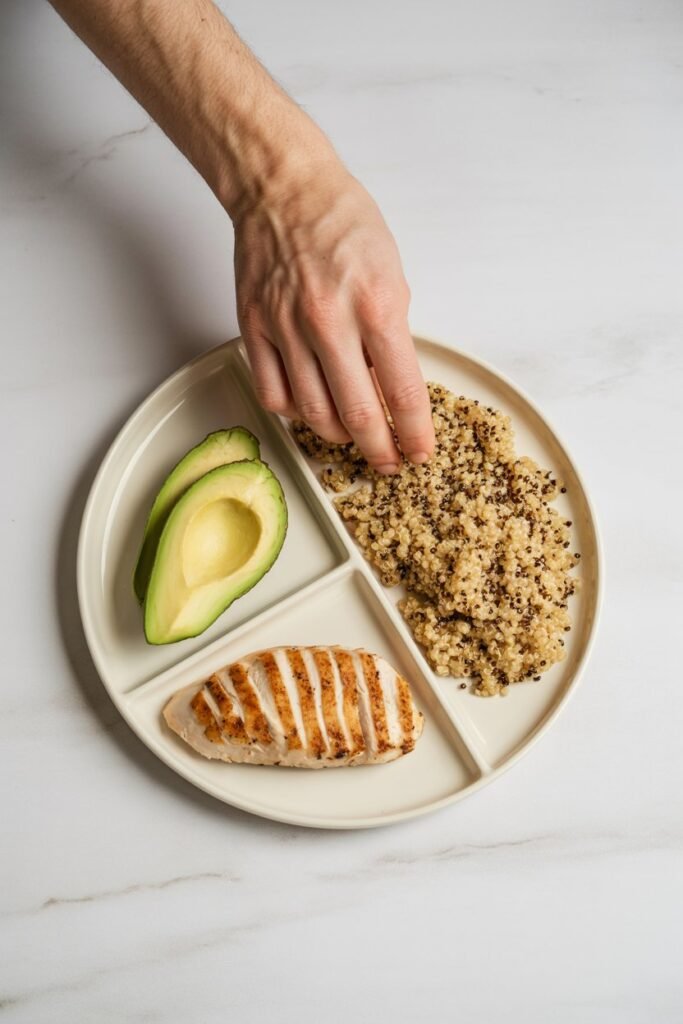
Portion sizes are sneaky because even healthy foods can pack unexpected calories when eaten in excess. Nuts, cheese, oils, dressings, and whole grains can quickly add up without you realizing it.
I used to pour granola into a bowl “just for breakfast,” only to discover I had eaten almost triple the recommended serving. Small miscalculations like this can stall weight loss for weeks.
Pro tip: Use visual cues and mindful habits. A serving of protein should roughly fit in your palm, carbs about a cupped hand, and fats like nuts should be no more than a thumb-sized portion. Eating slowly and paying attention to fullness signals also prevents accidental overeating. Awareness is more effective than restriction.
7. Not Getting Enough Sleep

Sleep is a powerful, yet often overlooked, weight loss tool. When you’re sleep-deprived, your body increases ghrelin (the hunger hormone) and decreases leptin (the fullness hormone), leaving you hungrier and craving high-calorie foods. Energy drops, making workouts harder and motivation lower.
I learned this the hard way. After a week of late nights, I found myself mindlessly snacking on chips and sweets in the evening. My willpower was gone, and my progress felt stalled. Catching up on sleep immediately stabilized my appetite and helped me make better choices.
Pro tip: Prioritize 7–9 hours of quality sleep. Set a consistent bedtime, reduce screen time before bed, and create a relaxing routine with calming activities like reading, journaling, or gentle stretching. Good sleep is foundational—it fuels your energy, focus, and your body’s ability to burn fat efficiently.
8. Stress Eating Without Realizing It

Stress impacts weight more than many of us realize. Elevated cortisol levels trigger cravings for sugary and fatty foods, often leading to emotional or mindless eating. I’ve definitely reached for snacks when anxious, tired, or overwhelmed, even when I wasn’t hungry.
The tricky part is that stress eating often happens automatically. You may not even notice until the bag of cookies is empty, and guilt sets in. This pattern can become a barrier to weight loss even if your meals are otherwise healthy.
Pro tip: Build healthy stress outlets. Walking, journaling, meditation, deep breathing, or talking to a friend can reduce the urge to eat emotionally. When a craving hits, pause and ask yourself: Am I truly hungry, or am I reacting to stress? Over time, awareness and alternative coping strategies make a huge difference.
9. Being Too All-or-Nothing

One of the biggest traps in weight loss is the all-or-nothing mindset. Many of us think that one “bad” meal or one slip-up ruins all progress. That pressure often leads to giving up entirely or overcompensating in unhealthy ways.
I’ve been there. I once ate pizza on a Friday night and spent the rest of the weekend trying to “make up for it” by skipping meals or overexercising. It was exhausting and unsustainable, and my progress plateaued.
Pro tip: Focus on consistency, not perfection. One meal won’t undo your hard work. Learn to enjoy food without guilt and return to healthy habits immediately afterward. Over time, this approach builds a sustainable lifestyle rather than a cycle of restriction and bingeing.
10. Ignoring Strength Training

Cardio is great, but relying on it alone often limits results. Strength training preserves muscle mass, shapes the body, and boosts metabolism, helping you burn more calories even at rest.
Early in my journey, I avoided strength training, thinking cardio was enough. I noticed the scale moved slowly, and my body composition didn’t change the way I wanted. Adding resistance exercises transformed my results—I gained lean muscle, felt stronger, and even enjoyed a more toned appearance.
Pro tip: You don’t need a gym or heavy weights. Start with bodyweight exercises like squats, push-ups, and lunges, or use light dumbbells 2–3 times per week. Gradually increase intensity to challenge your muscles. Even simple resistance routines make a huge difference over time.
11. Expecting Fast Results

Patience is one of the most overlooked elements of weight loss. Many of us want quick transformations and get discouraged when results are slower than expected. This mindset can lead to frustration, burnout, or abandoning healthy habits altogether.
I learned that slow, steady progress is often the most sustainable. Quick fixes may give short-term results, but they rarely last. Focusing on habit-building rather than the scale keeps progress consistent and long-lasting.
Pro tip: Measure success beyond the scale. Track energy levels, mood, strength, and how clothes fit. Celebrate small wins and improvements. Remember that building healthy habits now pays off in lasting results later.
Conclusion: Small Habits, Big Impact
Weight loss is not about extreme diets or punishing workouts. It’s about small, consistent habits that support your body and mind. Most of the struggles we face come from everyday choices we barely notice, not from a single mistake or lack of willpower.
Start by identifying one habit from this list that resonates with you and focus on changing it first. Over time, layering improvements—eating consistently, managing stress, sleeping well, and exercising smartly—leads to lasting results.
Remember, progress isn’t linear, and every small change counts. Be patient with yourself, stay consistent, and trust that your efforts will add up. You can do this, and you deserve sustainable success without guilt or extreme measures.